Property Management Articles

Property Management, Biophilic Design
Why High-End Properties Avoid ‘Grocery Store’ Plants

The Subtle Choice That Separates Premium Properties From the Rest

Walk into a truly high-end building—whether it’s a Class A office tower, a five-star hotel, or a flagship corporate headquarters—and you’ll notice something immediately.

The space feels intentional. Curated. Polished.

And while architecture, lighting, and furnishings all play a role, there’s another element quietly reinforcing that sense of quality: the plants.

In interior landscaping in Chicago, top-tier properties consistently avoid what many casually refer to as “grocery store plants.” This isn’t about snobbery or price alone. It’s about standards, longevity, brand perception, and the realities of maintaining living elements in demanding environments.

This article explores why high-end properties make this distinction, what “grocery store plants” actually represent in commercial settings, and how thoughtful interior landscaping can support premium experiences—especially in hospitality Chicago environments.

What Are “Grocery Store” Plants, Really?

The term “grocery store plants” isn’t meant literally.

It’s shorthand for plants that are:

  • Mass-produced for short-term enjoyment
  • Grown quickly with minimal root development
  • Intended for residential, low-stress environments
  • Sold without consideration for long-term performance

These plants are designed to look good now—not to perform consistently in lobbies, offices, or hospitality spaces with artificial lighting, temperature swings, and constant foot traffic.

In contrast, the interior landscaping at Chicago’s best and busiest commercial buildings, source plants specifically grown for that environment, with established root systems and long-term resilience.
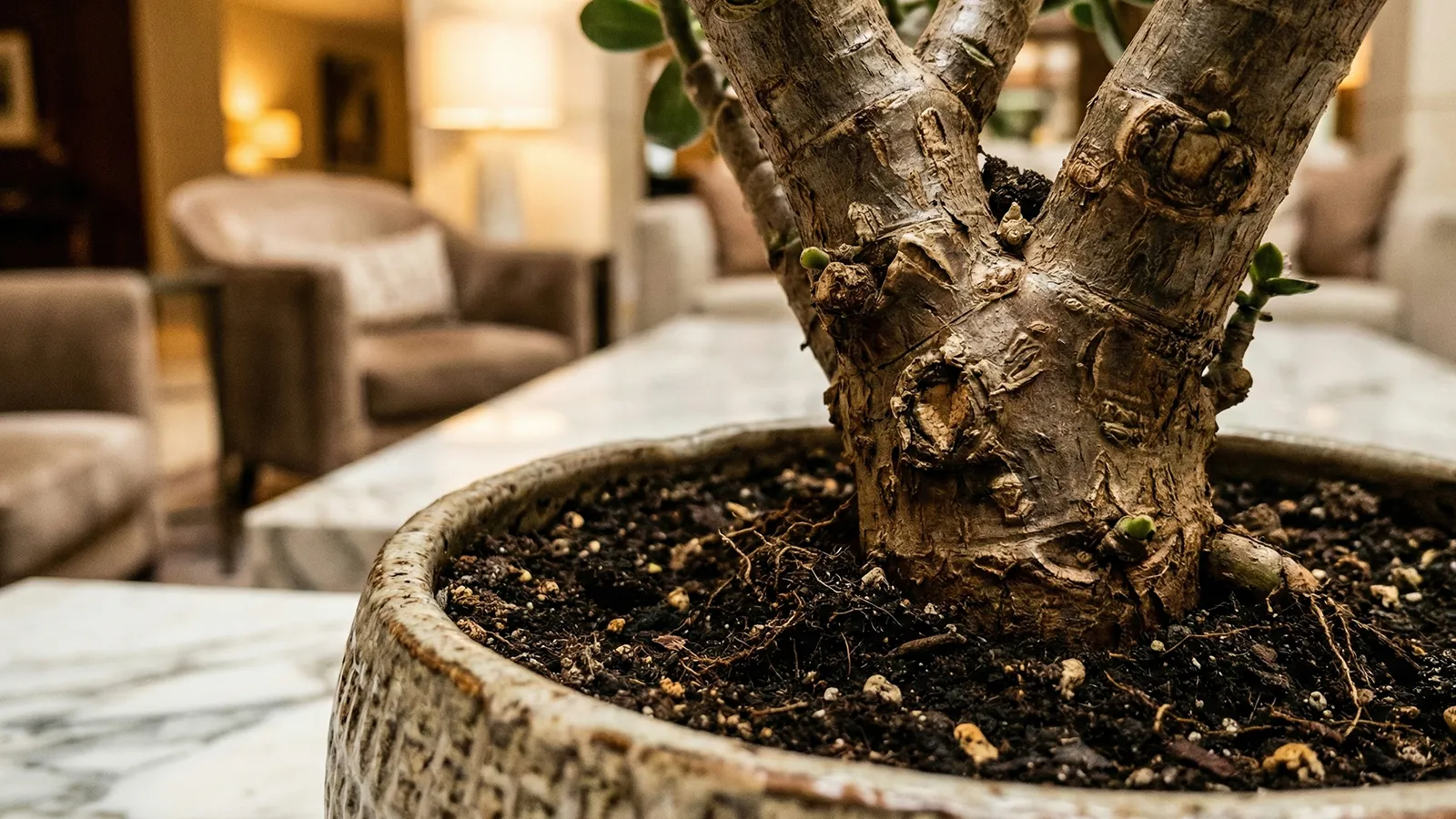
Close-up of a commercial-grade indoor plant stem and healthy soil, representing long-term resilience in interior landscaping.
What you don’t see matters. Commercial-grade plants are grown with established root systems to survive indoor environments.

Why This Distinction Matters in High-End Properties

High-end properties operate under a different set of expectations.

In luxury environments:

  • Details are scrutinized
  • Inconsistencies are noticed
  • Maintenance failures reflect poorly on the entire brand

Using short-lived or inappropriate indoor plants introduces risk—risk that premium properties simply can’t take.

Brand Perception Starts at the Floor Level

Guests and tenants may not know why a space feels elevated—but they feel it.

Plants communicate:

  • Care
  • Investment
  • Permanence
  • Professionalism

When plants look temporary or stressed, they undermine the perception of quality.

This is especially true in hospitality spaces in Chicago, where lobbies, lounges, and public spaces are extensions of the brand experience. Grocery store plants—no matter how healthy they look on day one—rarely hold up under these expectations.

Longevity vs. Instant Gratification

One of the core reasons high-end properties avoid grocery store plants is longevity.

Mass-market plants are grown for quick turnover:

  • Shallow root systems
  • Lightweight soil
  • Short production cycles

In commercial interiors, these traits lead to:

  • Faster decline
  • Higher replacement rates
  • Inconsistent appearance

Professional interior landscaping prioritizes plant selection of those that are grown slowly and intentionally—plants that settle into a space and improve over time rather than decline.

The Maintenance Reality High-End Properties Understand

Plant Maintenance Is Not Optional

Premium properties don’t just install plants—they maintain them at a high standard.However, plant maintenance can only go so far if the plant itself isn’t suitable for the environment.

Grocery store plants often:

  • React poorly to artificial lighting
  • Struggle with consistent watering schedules
  • Show stress quickly in public spaces

No amount of expert care can turn a short-term retail plant into a long-term commercial performer.

This is why interior landscape designers select plants specifically grown for interiors—and back them with design-aware maintenance.
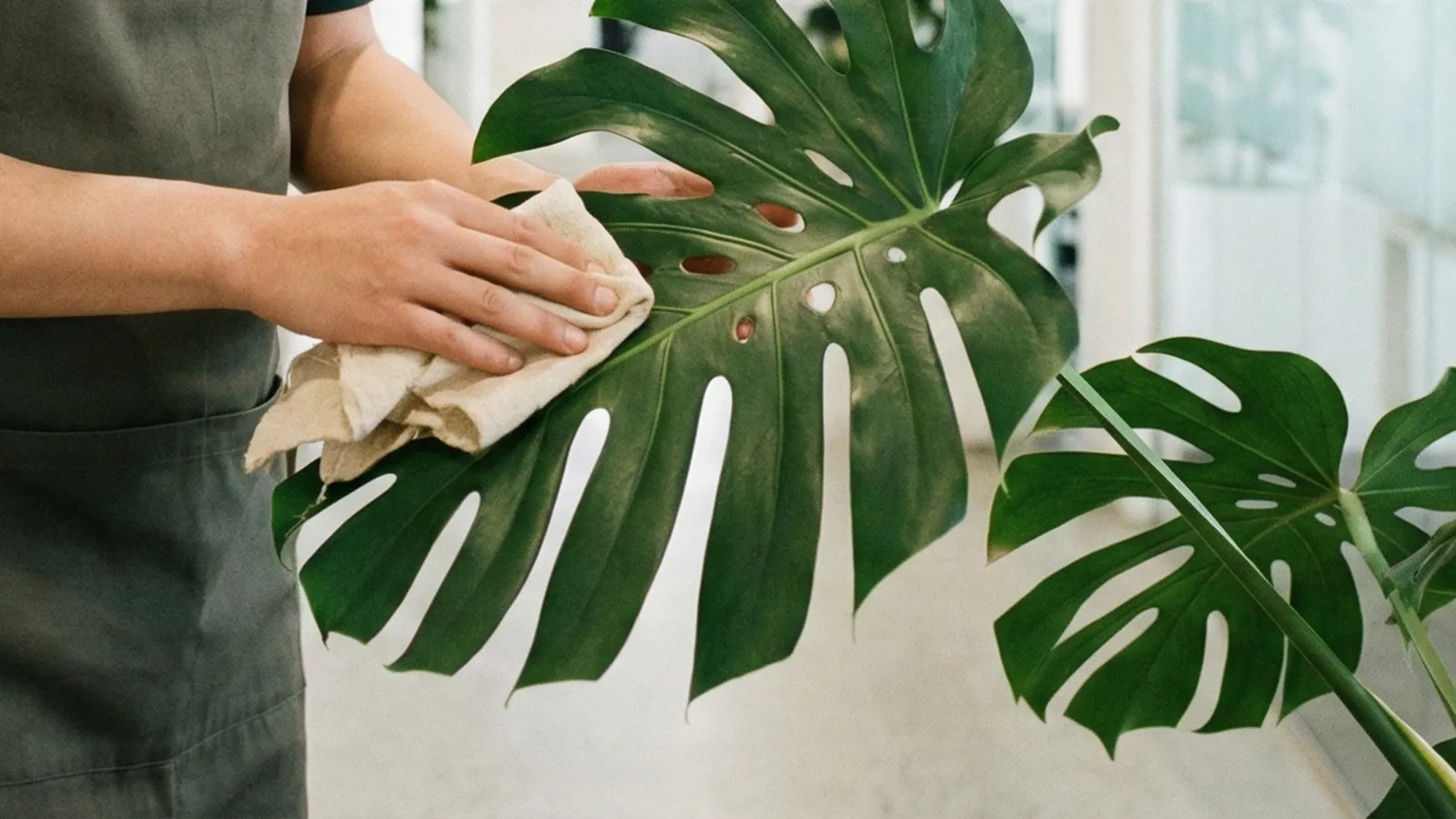
Professional interior landscaping technician performing detailed plant maintenance in a corporate setting.
Maintenance is more than watering. It’s preserving the design intent and protecting your investment.

Consistency Matters More Than Individual Plants

High-end properties think in systems, not individual pieces.

They evaluate:

  • How plants look across the entire building
  • Whether installations age evenly
  • How replacements integrate visually

Retail plants introduce inconsistency. When one fails quickly and another survives, the visual rhythm of the space breaks down. In luxury environments, inconsistency reads as neglect.

Hospitality Chicago: Where the Stakes Are Highest

Hotels are among the most demanding environments for interior landscaping.

In hospitality Chicago, plants must:

  • Perform under constant visibility
  • Withstand photography and social media
  • Align with brand refresh cycles
  • Remain flawless in high-traffic areas

A struggling plant in a hotel lobby isn’t just a maintenance issue—it’s a brand issue.

This is why luxury hotels avoid grocery store plants entirely. They invest in interior landscaping that prioritizes reliability, aesthetics, and long-term performance.
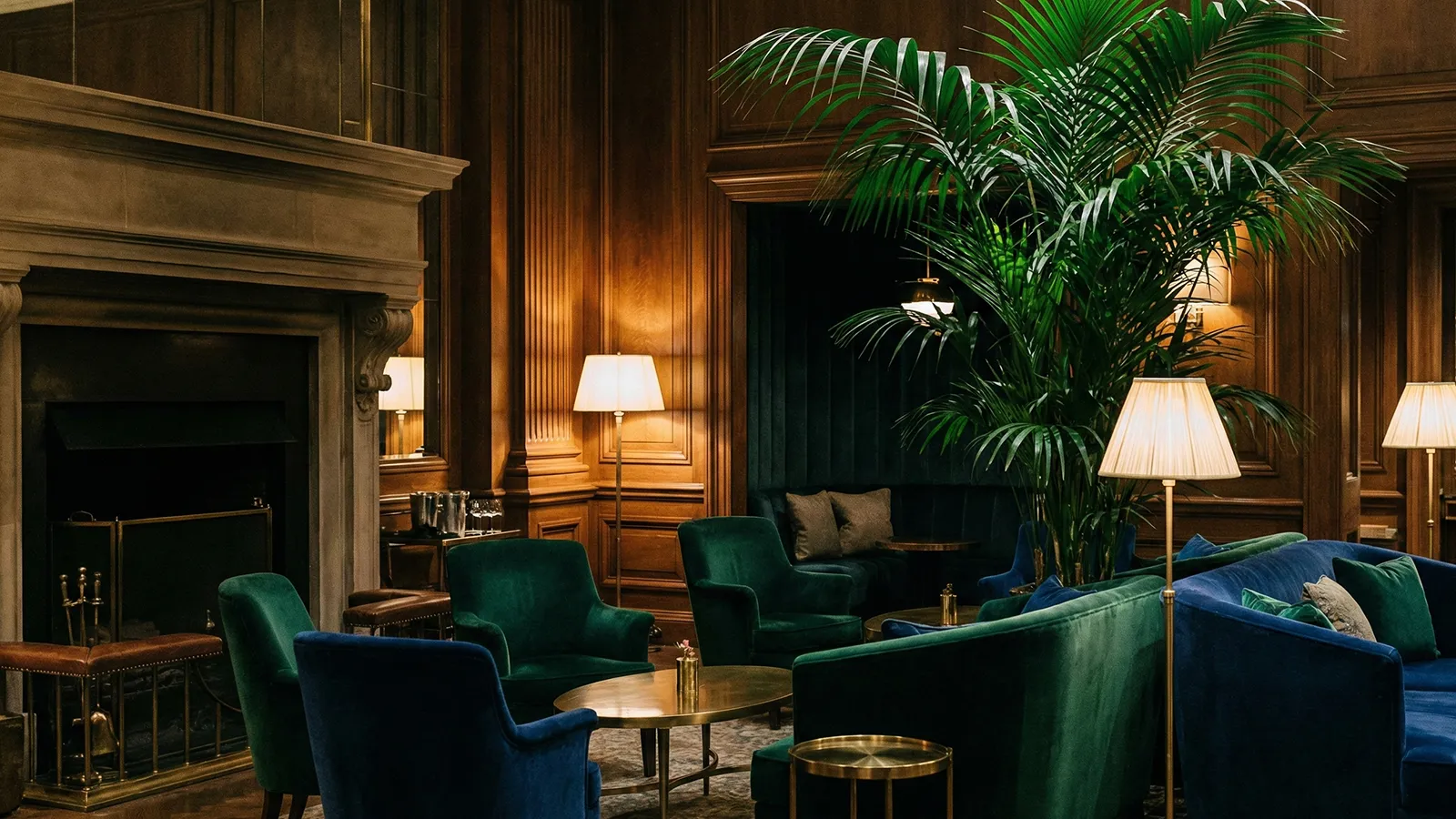
Luxury hotel lounge in Chicago featuring design-forward interior landscaping and premium furniture.
In hospitality, consistency is key. A flawless installation reinforces the guest’s perception of the entire brand.

The Design-First Perspective

Another key difference: high-end properties treat plants as design elements, not accessories.

Design-forward interior landscaping Chicago approaches consider:

  • Scale and proportion
  • Texture and contrast
  • Relationship to architecture and furnishings

Grocery store plants are chosen for availability—not for how they complete a space. Designers and property teams working at a high level understand that plant selection is as intentional as furniture or lighting.

Risk Management in Premium Properties

High-end properties are conservative about risk—but not about quality.

They avoid grocery store plants because:

  • Replacement cycles are unpredictable
  • Appearance degrades unevenly
  • Maintenance costs increase over time

Ironically, retail plants often cost more in the long run due to frequent replacement and reactive care.

Professional plant maintenance paired with commercial-grade plants reduces risk and stabilizes long-term costs.

Why Some Buildings Still Use Retail Plants

So why do grocery store plants still show up in commercial spaces?

Typically because:

  • Plants were added as an afterthought
  • Budget was prioritized over longevity
  • No design partner was involved

These choices often occur in spaces without a long-term interior strategy.

High-end properties, by contrast, view plants as part of the building’s identity.

How High-End Interior Landscaping Is Sourced

Professional interior landscaping Chicago providers source plants differently.

They look for:

  • Established root systems
  • Proven indoor performance
  • Specimens grown specifically for interiors

This sourcing process is invisible to guests—but essential to consistent results.

The Role of Plant Maintenance in Protecting Design

Even the best plants require expert care.

High-end properties expect plant maintenance that:

  • Preserves design intent
  • Maintains shape and proportion
  • Addresses issues before they’re visible

Retail plants often require emergency fixes instead of proactive care—creating stress for property teams and inconsistent results.

Building Managers: Why This Matters to You

For building managers, plant choices affect:

  • Tenant perception
  • Guest experience
  • Operational efficiency
  • Vendor relationships

Choosing the right interior landscaping partner in Chicago means avoiding short-term solutions that create long-term headaches.

High-end properties don’t gamble on plants. They plan for performance.

The Hidden Cost of “Saving” on Plants

Cutting corners on plants often leads to:

  • Frequent replacements
  • Increased labor
  • Visual inconsistency
  • Complaints you shouldn’t have to manage

In premium environments, these issues erode trust—internally and externally.

That’s why high-end properties consistently avoid grocery store plants, even when budgets allow for them.

Amlings’ Perspective on Interior Landscaping

At Amlings, we work with some of Chicago’s most demanding environments.

We understand that:

  • Plants are brand ambassadors
  • Maintenance is part of design
  • Shortcuts always show

Our interior landscaping approach is design-first, maintenance-driven, and built for longevity—especially in hospitality Chicago and Class A commercial properties.

If you’re managing or designing a high-end property, your plant choices matter more than you think.

Consider Amlings interior landscaping services to ensure your indoor plants support your brand, your standards, and your long-term goals.

Not sure if your current plant program is meeting high-end expectations?

Contact Amlings to learn more about interior landscaping Chicago leaders trust—and how professional plant maintenance protects premium spaces.
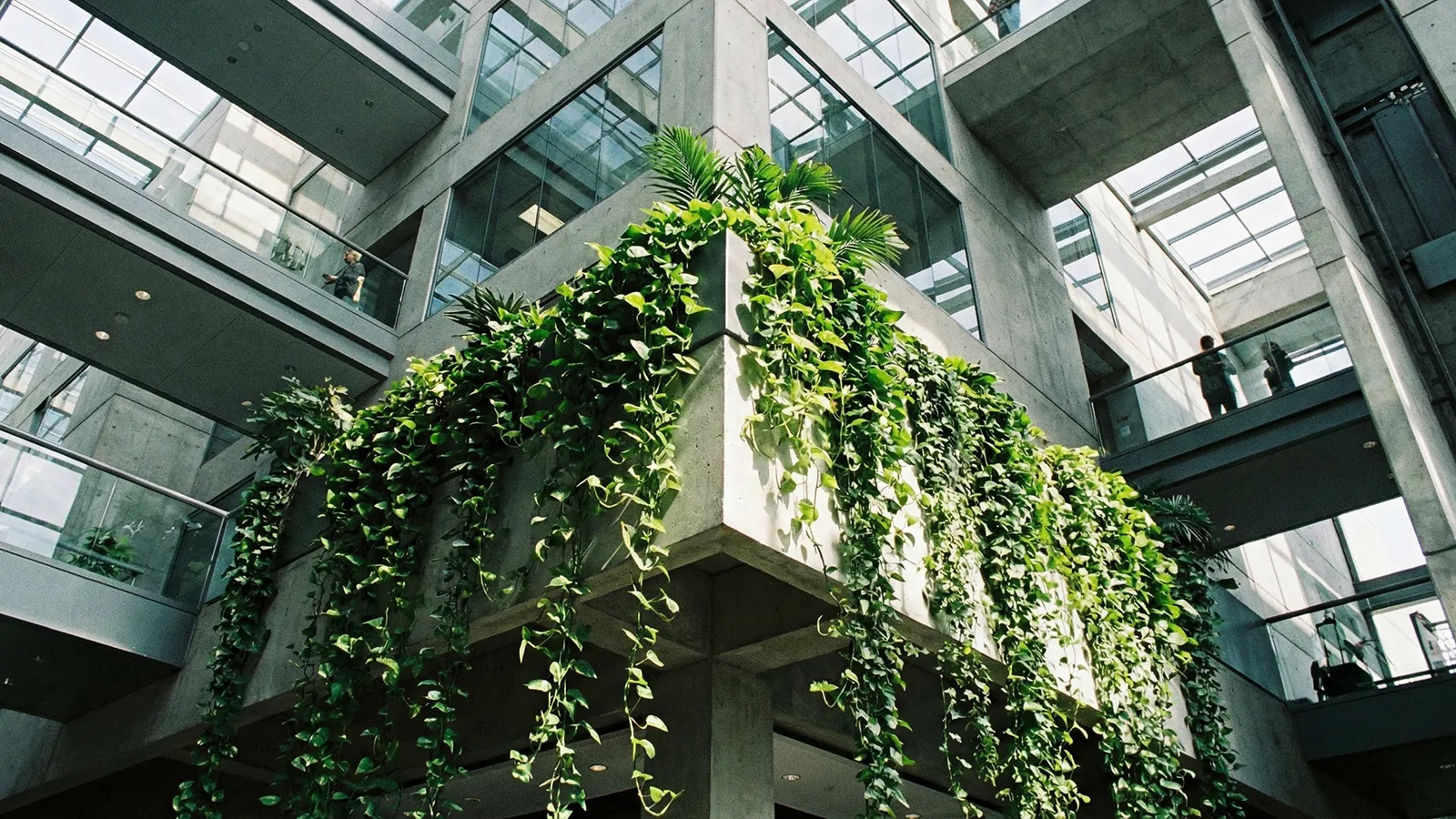
Biophilic design in a modern corporate atrium with cascading greenery and geometric architecture.
When plants are treated as design elements, they elevate the architecture rather than cluttering it.

Final Thought: Quality Is Never Accidental

High-end properties avoid grocery store plants for the same reason they avoid cheap finishes or poor lighting. Because quality shows. And shortcuts always surface.

If your space is meant to feel elevated, your plants must be, too. Let’s make sure they are.
Contact us for more information or to request a quote. Get Started Today
Read More
A modern commercial lobby featuring large architectural greenery during National Indoor Plant Week to enhance interior plant design.
Biophilic Design, Indoor Landscape, Property Management, Workplace Well-being
National Indoor Plant Week: Why Commercial Interiors Need Green More Than Ever

A Celebration of Green Spaces

Every third week of September, designers, horticulturists, and property leaders across the country recognize National Indoor Plant Week. While it is a nationwide observance, for commercial interiors, this week is more than just a celebration. It serves as a vital reminder that indoor plants shape how people experience the spaces they move through every day.

Greenery is an essential part of the environment where we work, gather, and interact. In a dense urban environment like Chicago, the presence of indoor plants takes on meaningful importance. The impact these living elements have on the atmosphere is felt immediately, and their ability to shift the character of a room lasts long after installation day.

At Amlings Interiors, we believe that National Indoor Plant Week is not simply a themed observance ; it is a reminder of the role greenery plays in shaping human experience inside commercial environments.

Why September Matters for Interior Plant Design

You might wonder why National Indoor Plant Week falls in September. September marks a natural turning point in the year. It comes from the light changes, temperatures drop, and people settling into busy routines.

This timing is strategic for commercial real estate and facility management. It is the moment before holiday energy begins that buildings become more active, and interior spaces often feel ready for a refresh. National Indoor Plant Week arrives at exactly the time when commercial environments benefit from renewed color, warmth, and vitality.

This specific period encourages property teams to step back and ask whether their spaces feel inviting with the experience they want their guests to have. For property managers and building owners, National Indoor Plant Week is a natural opportunity to assess the building’s current landscape and plan ahead.

The Ideal Moment for Updates

September offers the ideal moment for updates: summer installations may be ready for refinement, and winter preparations are just around the corner. Before holiday décor arrives, there is a window where greenery can reset the tone of an entire lobby.

Expert Tip: Are you ready to refresh your commercial space before the holiday rush? Contact Amlings today to schedule your interior landscape assessment.

A biophilic office space featuring the best indoor plants for office productivity and stress reduction.

Incorporating the best indoor plants for office environments improves focus and promotes an atmosphere of productivity and calm.

The Science: Impact of Plants on Well-Being

When we talk about indoor plants for commercial buildings, we are talking about more than aesthetics. We are talking about human performance and health. Decades of research in environmental psychology show that indoor plants improve mood, reduce stress, and encourage mental clarity.

In the modern workplace, interior design with plants creates tangible benefits:

  • Acoustics: Plants soften acoustics and help people feel grounded in otherwise fast-paced environments.
  • Focus: In workplaces, greenery improves focus and promotes an atmosphere of productivity and calm.
  • Comfort: In hospitality settings, greenery increases dwell time and enhances perceived comfort.

Humans respond positively to natural elements, and interiors that include plants feel more complete and more connected to how people prefer to experience space. For workplaces, hospitality venues, residential towers, and public buildings, interior landscaping is one of the most effective ways to create atmosphere, improve well-being, and elevate the visual identity of a space.

Elevating the Standard for Class A Environments

For those managing Class A environments, tenants and visitors notice the details. A refined, healthy interior landscape communicates professionalism, pride of ownership, and a commitment to maintaining an elevated experience.

Plants in these spaces are part of the brand and part of the promise the building makes to the people who use it. This is why interior plant design is a critical line item for property management.

Amlings’ Approach to Seasonal Design Our interpretation of National Indoor Plant Week is rooted in elevating the spaces we manage. Rather than focusing on simple plant additions or desk-size arrangements, we concentrate on thoughtful updates that bring new energy to the interior landscape.

This could include:

  • Re-sculpting existing displays.
  • Introducing early fall color.
  • Refreshing signature pieces.
  • Planning for larger seasonal installations.

For clients preparing for the holiday season, this week often becomes the starting point for transforming lobbies and public spaces into environments that feel warm, welcoming, and distinct.

Call to Action: Does your building’s interior reflect your brand’s standards? Upgrade your space with Amlings’ professional horticultural services.

A minimalist high-end lobby using interior design with plants as architectural elements to define space.

Modern interior design with plants uses greenery as architectural components to influence scale and shape.

For Designers and Architects: Plants as Architectural Elements

Interior greenery has become an integral part of high-end design. We encourage architects and designers to view plants not as accessories, but as architectural components that influence scale, shape, contrast, and emotion.

National Indoor Plant Week highlights this connection between nature and design. It reinforces the idea that plants contribute to the overall architectural language, helping to transform static rooms into sensory environments.

The Role of Plants in Modern Architecture:

  1. Connective Tissue: They act as connective tissue between materials.
  2. Softening Hard Surfaces: They soften the austerity of modern surfaces.
  3. Adding Depth: They bring depth to minimalist interiors.
  4. Guiding Movement: They create focal points, guide movement, and define the character of a room.

When selecting the best indoor plants for office or lobby design, remember that they serve a structural purpose.

Amlings’ Philosophy: Navigating the Chicago Climate

At Amlings Interiors, indoor plants represent more than momentary enhancement. They are part of a long-term philosophy: interiors should feel alive. Our work is rooted in design, guided by horticulture, and shaped by an understanding of how people experience commercial spaces.

Adapting to the Season September is one of the most important evaluation points in the year. As light diminishes, temperatures shift, and humidity changes, plant programs must adapt. It is a time when our team refreshes displays, introduces seasonal botanicals, and prepares for the transitions ahead.

The Chicago Factor Chicago’s climate demands thoughtful, responsive plant care that anticipates these nuances.

  • Indoor Warmth: Indoor plants provide emotional warmth during the colder months.
  • Visual Contrast: They offer visual contrast when outdoor landscapes fade.
  • Vitality: They maintain a sense of vitality inside spaces that otherwise remain static for long periods of time.
Indoor plants for commercial buildings during a seasonal refresh.

Professional care ensures indoor plants for commercial buildings remain vibrant throughout Chicago’s changing seasons.

Conclusion: Making the Change

The places where people spend their days influence how they feel, how they work, and how they connect with one another. Plants make interiors warmer, richer, and more dynamic. They transform the environment in ways that are immediate yet lasting.

For Amlings, this is the value we bring to every installation and every maintenance visit, not just during National Indoor Plant Week but throughout the entire year.

Are you ready to transform your commercial space? Don’t let your interior landscape fade as the seasons change. Partner with Amlings to create a vibrant, healthy, and architectural environment for your tenants and guests.

Final Call to Action: Contact Amlings today to schedule your consultation and bring your interior to life.

Want to learn more about interior plant design? Reach out to our design team for insights on the latest trends in biophilic design and commercial horticulture.
Contact Us Today
Read More