
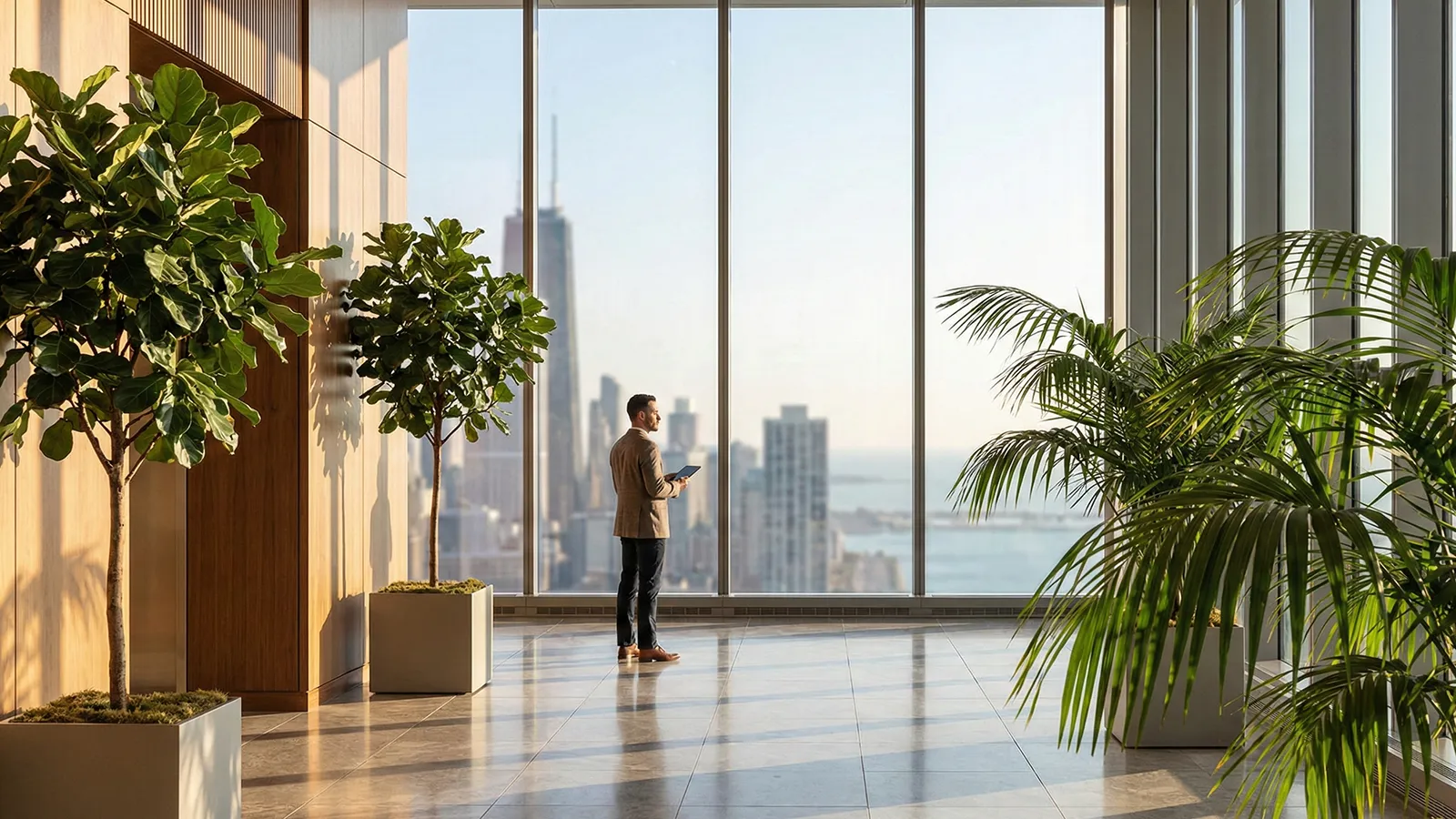
A New Year, A Fresh Lens on Your Property
The start of a new year is one of the few moments when property managers can pause, zoom out, and evaluate what’s truly working—and what quietly isn’t.
Budgets reset. Contracts renew. Expectations shift.
For professionals in Chicago property management, these early-year evaluations are critical. They set the tone not just for operations, but for how tenants, guests, and owners perceive the property for the next 12 months.
One area that often gets overlooked until there’s a visible problem?
Office plants in Chicago commercial spaces and the broader interior environment they shape.
This guide walks through what property managers should evaluate at the start of every year—strategically, practically, and visually—with a special focus on the indoor plants Chicago buildings depend on, the design behind interior landscaping, and the role of biophilia in modern commercial properties.
1. Overall First Impressions: See Your Property Like a Tenant
Before diving into spreadsheets or contracts, start with a walkthrough.
At the beginning of the year, property managers should evaluate:
- Lobbies and entry points
- Common areas and amenities
- Elevator banks and corridors
- Tenant-facing spaces
Ask yourself:
- Does this space feel intentional or tired?
- Does it reflect the level of property we want to position?
- Would this impress a prospective tenant seeing it for the first time?
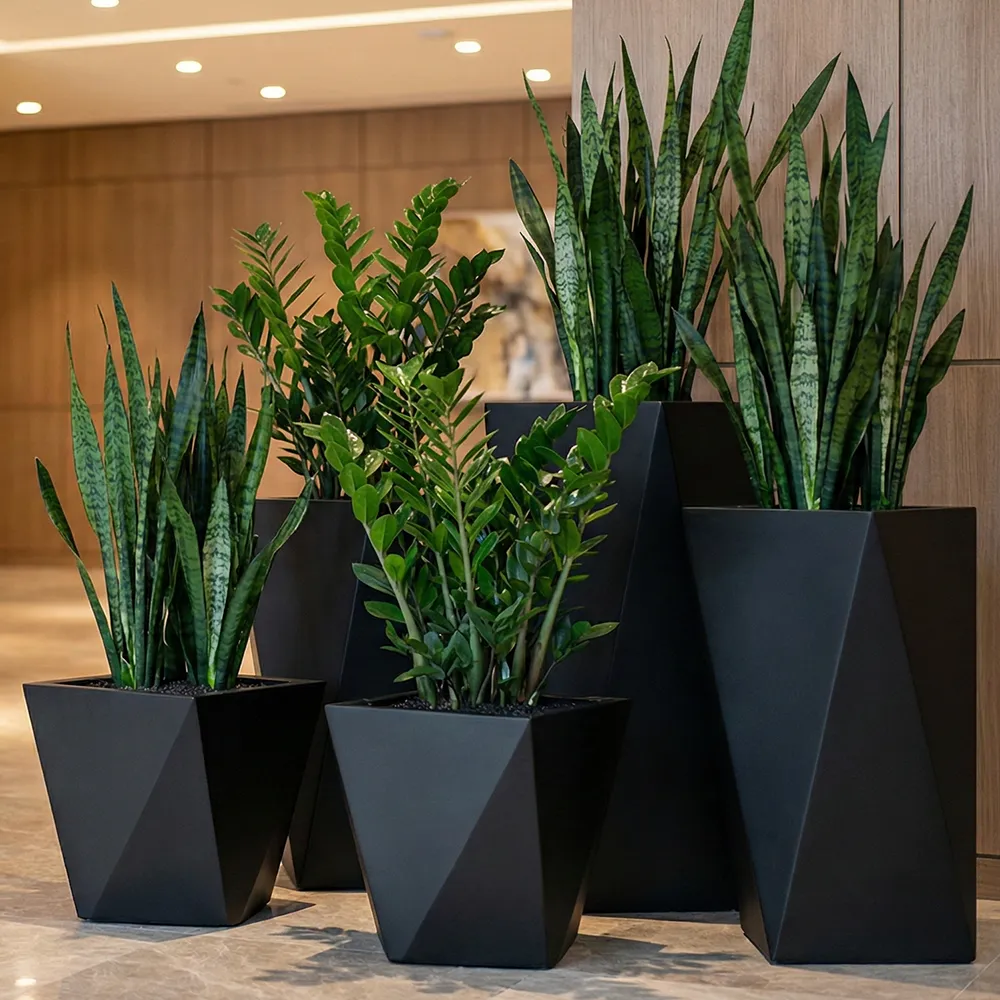
Indoor plants often play a starring role in these impressions. Healthy, well-placed greenery signals care. Neglected plants signal the opposite—immediately.
2. The Condition of Your Office Plants
Evaluate Health, Not Just Presence
Many properties technically “have plants,” but the real question is whether those plants are helping or hurting perception.
At the start of every year, evaluate:
- Leaf health (yellowing, browning, thinning)
- Overall fullness and growth patterns
- Soil condition and surface treatments
- Evidence of inconsistent care
In Chicago property management, poorly maintained office plants are one of the fastest ways a space can feel neglected—especially in high-traffic Class A buildings.
If plants are no longer enhancing the environment, it may be time for a refresh or a new interior landscaping approach.
3. Are Your Office Plants Still the Right Design Fit?
Design evolves—even if renovations haven’t happened recently.
Early-year evaluation should include:
- Do plant selections still complement finishes and furnishings?
- Do containers feel current or dated?
- Has tenant mix or building branding changed?
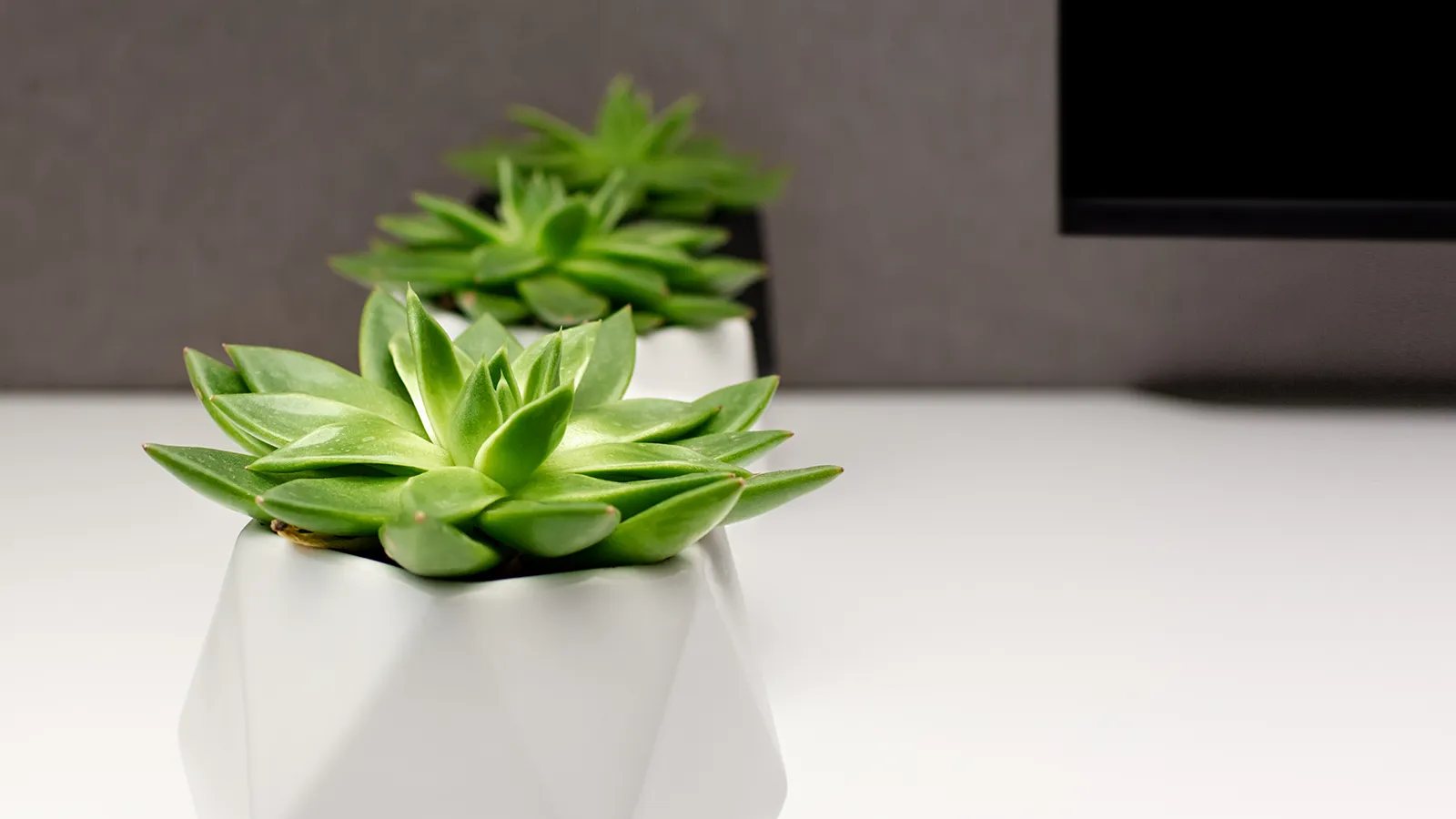
The office plants Chicago properties rely on should match the level of investment made elsewhere in the space. Outdated planters next to new finishes create visual friction tenants notice immediately.
4. Consistency Across the Property
One of the most important yearly evaluations is consistency.
Property managers should assess:
- Are some areas beautifully maintained while others are ignored?
- Does the plant program feel cohesive across floors and amenities?
- Do older installations clash with newer spaces?
Consistency is a hallmark of strong property management among Chicago teams. A unified interior landscaping strategy ensures every tenant-facing area supports the same message: this building is cared for.
5. Vendor Performance and Communication
The beginning of the year is an ideal time to evaluate vendors.
For plant and interior landscaping partners, ask:
- Are issues addressed proactively or reactively?
- Do you hear from them before you notice problems?
- Is communication clear, professional, and timely?
With indoor plants, proactive maintenance and communication are just as important as design. A vendor who understands commercial environments makes your job easier—not harder.
6. Contract Timing and Scope
Many plant service contracts renew annually or on multi-year cycles. Early-year review is essential.
Evaluate:
- Is the scope still appropriate for the property’s needs?
- Are you paying for outdated installations?
- Is there room to improve quality or design?
7. Tenant Expectations Have Changed—Has Your Interior?
Tenant expectations continue to rise.
Office environments are now expected to feel:
- Welcoming
- Comfortable
- Elevated
- Human-centered
This is where biophilia becomes especially relevant.
Biophilia—the concept of connecting people with nature—has moved from a buzzword to an expectation in many commercial spaces. While not every property needs dramatic installations, thoughtful office plants in Chicago offices support these expectations in a subtle but powerful way.
8. Functional Role of Plants in the Space
Plants aren’t just visual elements—they’re functional tools.
At the start of the year, evaluate how plants are used to:
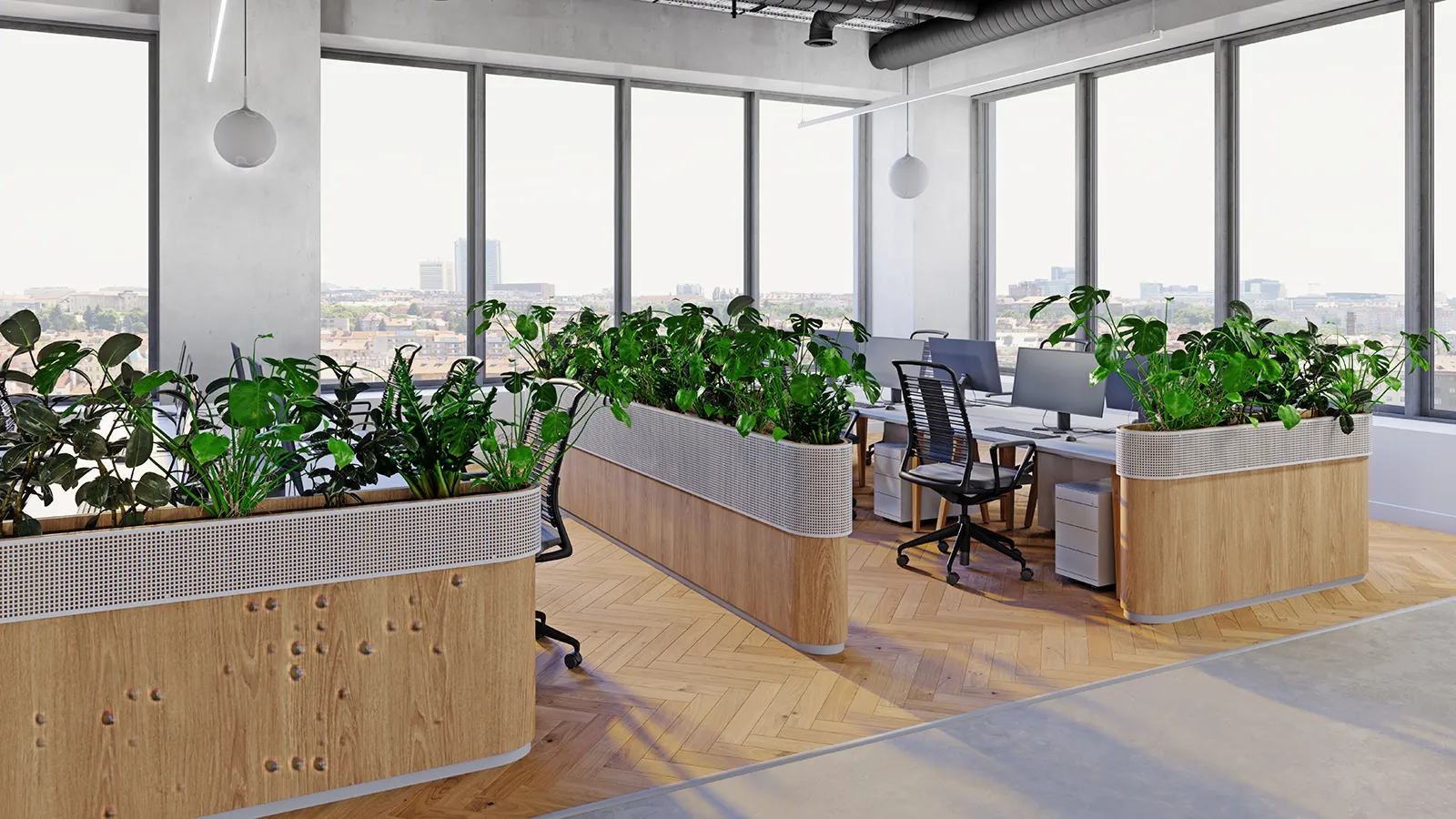
- Define zones in open layouts
- Improve acoustics
- Create privacy without walls
- Guide movement and wayfinding
Strong interior landscaping enhances how a space works, not just how it looks.
9. Are You Protecting the Value of Your Investment?
Plants are living assets.
Without proper care, they decline—and so does the value they bring to your property.
Early-year evaluation should consider:
- Replacement frequency
- Long-term maintenance strategy
- Whether current care standards meet expectations
For Chicago buildings, meticulous upkeep of indoor plants is not a luxury—it’s what protects the original investment and the building’s reputation.
10. Alignment With Ownership and Asset Goals
Property managers often act as the bridge between daily operations and long-term ownership goals.
Ask:
- Does the current interior environment support leasing strategy?
- Does it reinforce the building’s class and positioning?
- Are there opportunities to elevate perception without major renovation?
Updating the office plants within Chicago properties can be one of the most efficient ways to enhance perceived value.
11. Seasonal and Annual Planning
The start of the year is also the right time to plan ahead.
Consider:
- When seasonal updates may be needed
- How spring growth impacts interior plant care
- Whether certain spaces could benefit from redesign
Planning early allows property management teams in Chicago to stay ahead—rather than reacting later.
12. Professionalism Behind the Scenes
Finally, evaluate how seamlessly your plant partner works within your building.
This includes:
- Understanding dock access and building logistics
- Coordinating with engineering and security teams
- Providing proper documentation and COIs
A professional interior landscaping partner should operate as an extension of your team, not a disruption.
Why Office Plants Matter More Than Ever
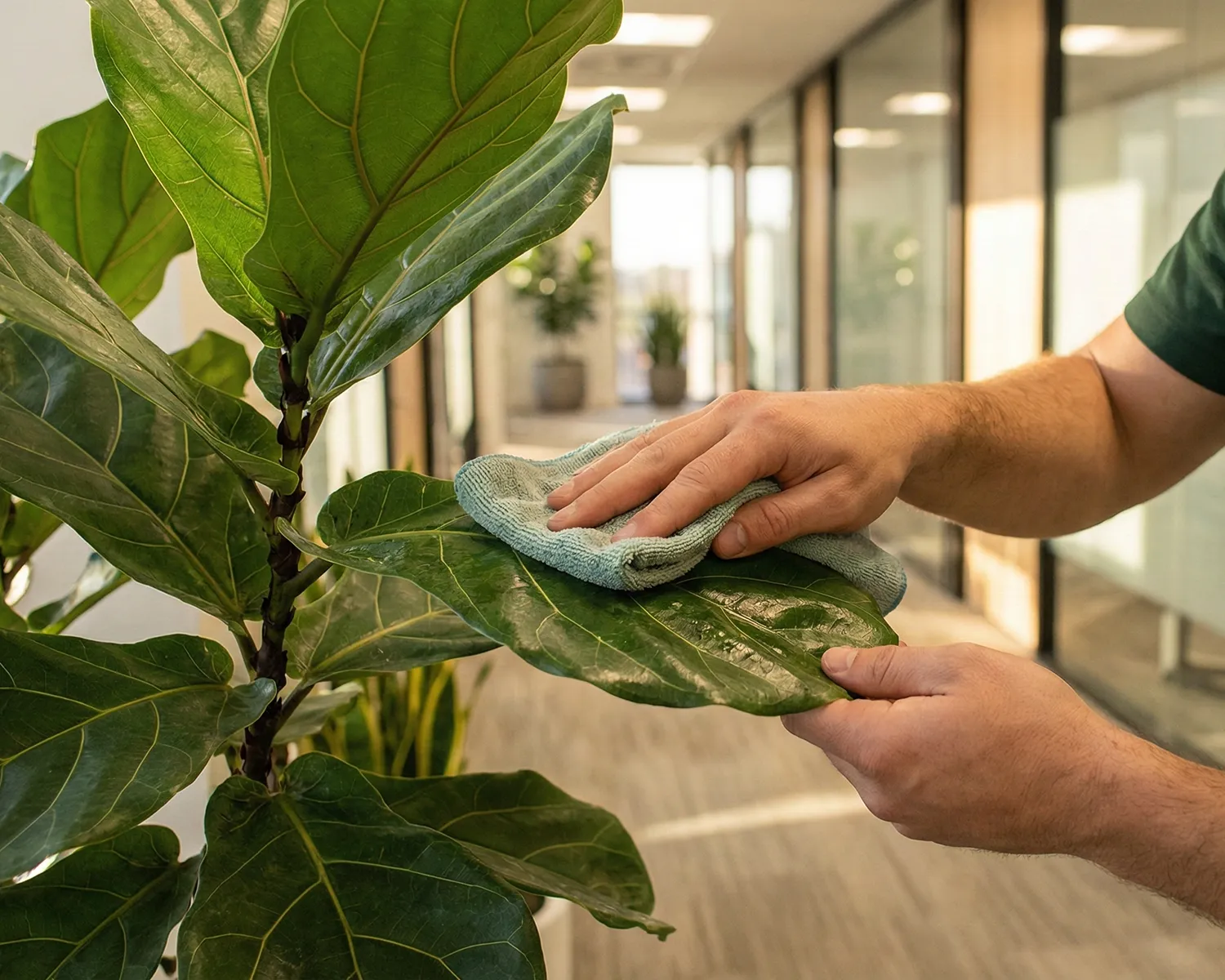
At the start of every year, property managers face dozens of priorities. Yet few elements are as visible—and as quietly influential—as office plants in Chicago commercial buildings.
They shape first impressions. They reflect standards. They communicate care.
Invest in Amlings’ Services
If you’re evaluating your property for the year ahead, now is the time to elevate your approach to office plants and interior landscaping.
Consider Amlings interior landscaping services to ensure your office plants in Chicago reflect the quality, professionalism, and care your property deserves.
Learn More or Start the Conversation
Not sure if your current plant program is meeting expectations? Curious how design-forward plant care could support your goals?
Contact Amlings to learn more about office plants Chicago property managers trust and how interior landscaping can protect and elevate your building year-round.
Final Thought: Start the Year With Intention
The best property managers don’t wait for complaints—they anticipate what tenants will notice next.