
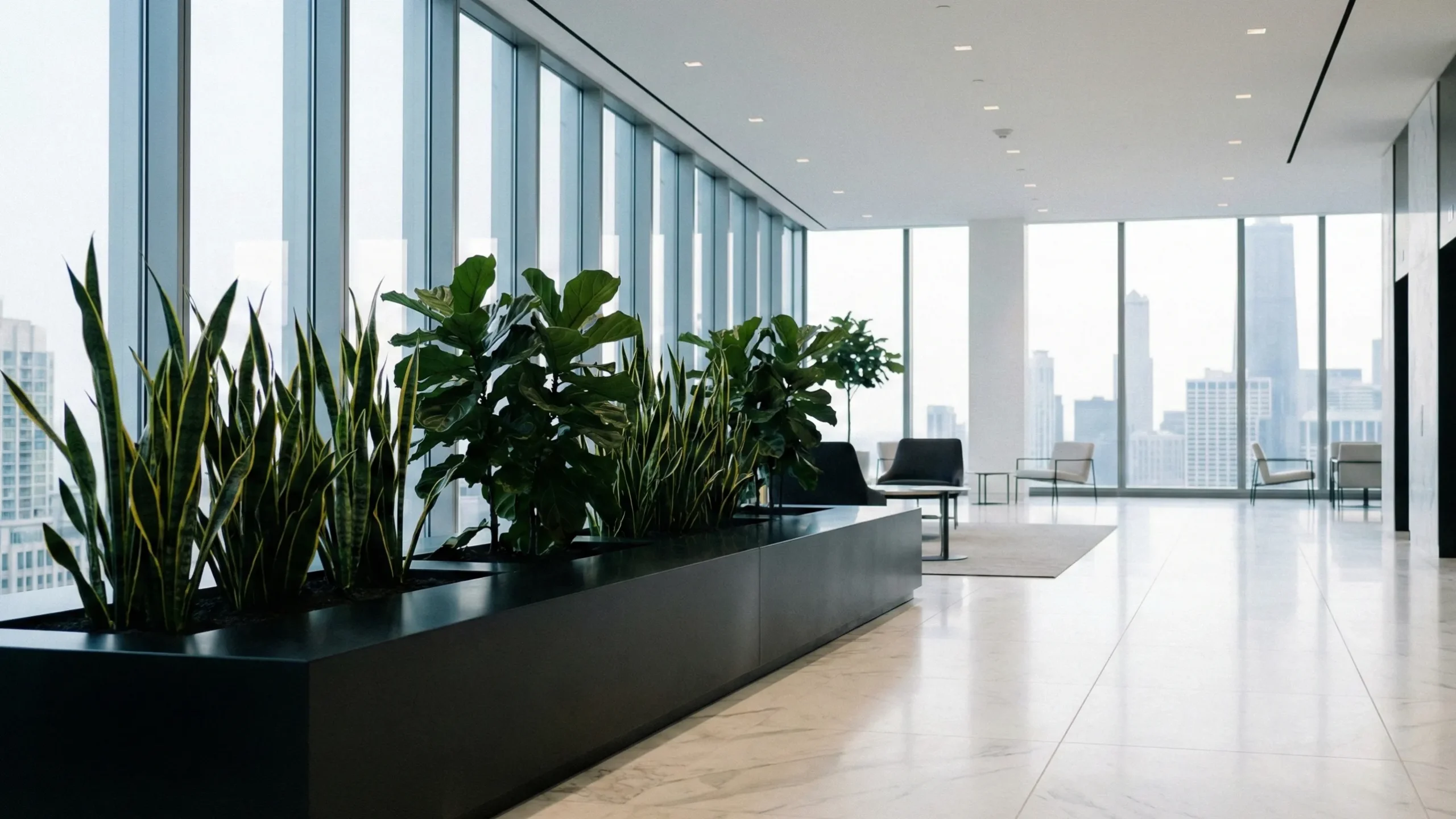
The Subtle Choice That Separates Premium Properties From the Rest
Walk into a truly high-end building—whether it’s a Class A office tower, a five-star hotel, or a flagship corporate headquarters—and you’ll notice something immediately.
The space feels intentional. Curated. Polished.
And while architecture, lighting, and furnishings all play a role, there’s another element quietly reinforcing that sense of quality: the plants.
In interior landscaping in Chicago, top-tier properties consistently avoid what many casually refer to as “grocery store plants.” This isn’t about snobbery or price alone. It’s about standards, longevity, brand perception, and the realities of maintaining living elements in demanding environments.
This article explores why high-end properties make this distinction, what “grocery store plants” actually represent in commercial settings, and how thoughtful interior landscaping can support premium experiences—especially in hospitality Chicago environments.
What Are “Grocery Store” Plants, Really?
The term “grocery store plants” isn’t meant literally.
It’s shorthand for plants that are:
- Mass-produced for short-term enjoyment
- Grown quickly with minimal root development
- Intended for residential, low-stress environments
- Sold without consideration for long-term performance
These plants are designed to look good now—not to perform consistently in lobbies, offices, or hospitality spaces with artificial lighting, temperature swings, and constant foot traffic.
In contrast, the interior landscaping at Chicago’s best and busiest commercial buildings, source plants specifically grown for that environment, with established root systems and long-term resilience.
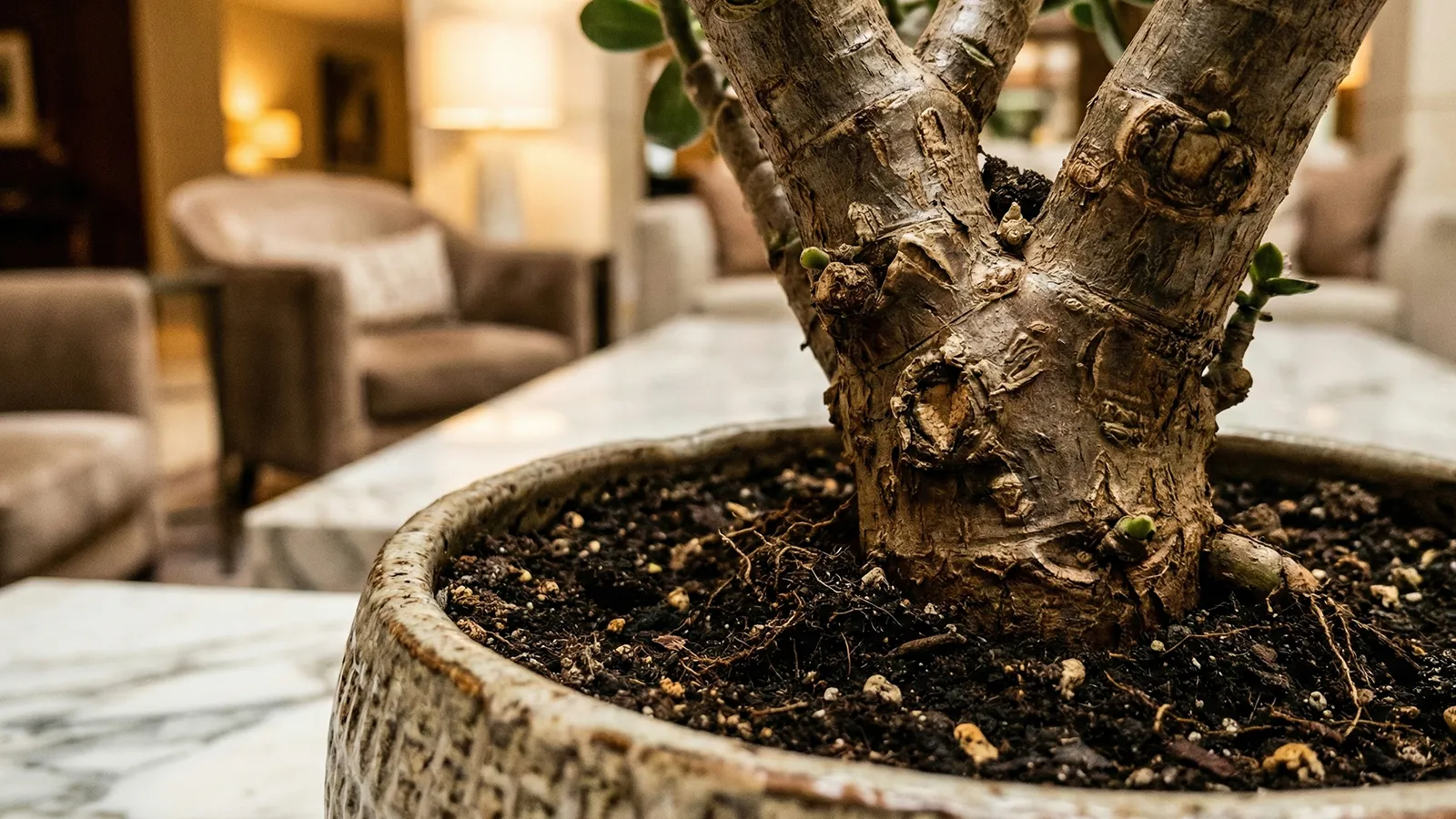
Why This Distinction Matters in High-End Properties
High-end properties operate under a different set of expectations.
In luxury environments:
- Details are scrutinized
- Inconsistencies are noticed
- Maintenance failures reflect poorly on the entire brand
Using short-lived or inappropriate indoor plants introduces risk—risk that premium properties simply can’t take.
Brand Perception Starts at the Floor Level
Guests and tenants may not know why a space feels elevated—but they feel it.
Plants communicate:
- Care
- Investment
- Permanence
- Professionalism
When plants look temporary or stressed, they undermine the perception of quality.
This is especially true in hospitality spaces in Chicago, where lobbies, lounges, and public spaces are extensions of the brand experience. Grocery store plants—no matter how healthy they look on day one—rarely hold up under these expectations.
Longevity vs. Instant Gratification
One of the core reasons high-end properties avoid grocery store plants is longevity.
Mass-market plants are grown for quick turnover:
- Shallow root systems
- Lightweight soil
- Short production cycles
In commercial interiors, these traits lead to:
- Faster decline
- Higher replacement rates
- Inconsistent appearance
Professional interior landscaping prioritizes plant selection of those that are grown slowly and intentionally—plants that settle into a space and improve over time rather than decline.
The Maintenance Reality High-End Properties Understand
Plant Maintenance Is Not Optional
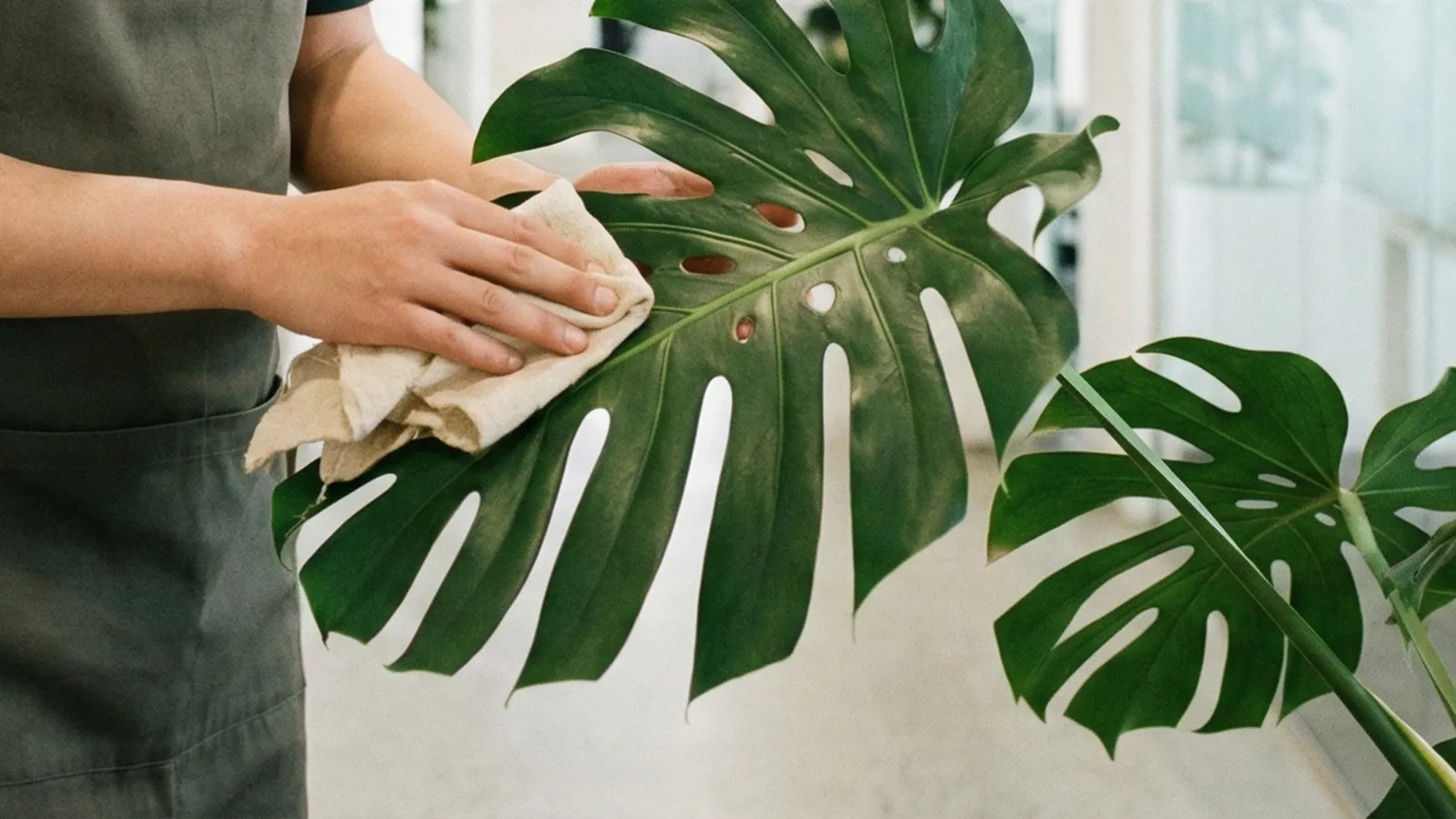
Premium properties don’t just install plants—they maintain them at a high standard.However, plant maintenance can only go so far if the plant itself isn’t suitable for the environment.
Grocery store plants often:
- React poorly to artificial lighting
- Struggle with consistent watering schedules
- Show stress quickly in public spaces
No amount of expert care can turn a short-term retail plant into a long-term commercial performer.
This is why interior landscape designers select plants specifically grown for interiors—and back them with design-aware maintenance.
Consistency Matters More Than Individual Plants
High-end properties think in systems, not individual pieces.
They evaluate:
- How plants look across the entire building
- Whether installations age evenly
- How replacements integrate visually
Retail plants introduce inconsistency. When one fails quickly and another survives, the visual rhythm of the space breaks down. In luxury environments, inconsistency reads as neglect.
Hospitality Chicago: Where the Stakes Are Highest
Hotels are among the most demanding environments for interior landscaping.
In hospitality Chicago, plants must:
- Perform under constant visibility
- Withstand photography and social media
- Align with brand refresh cycles
- Remain flawless in high-traffic areas
A struggling plant in a hotel lobby isn’t just a maintenance issue—it’s a brand issue.
This is why luxury hotels avoid grocery store plants entirely. They invest in interior landscaping that prioritizes reliability, aesthetics, and long-term performance.
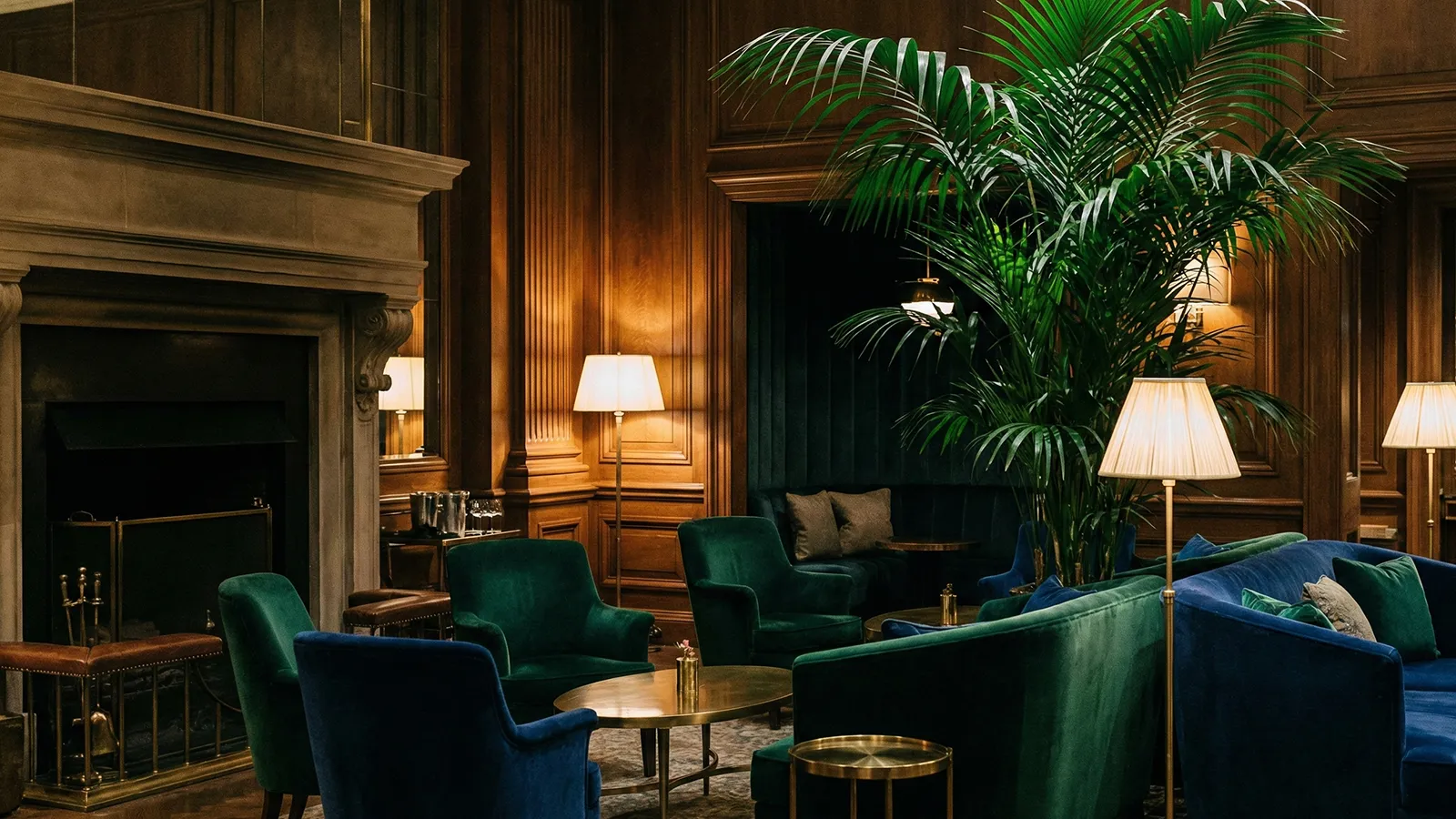
The Design-First Perspective
Another key difference: high-end properties treat plants as design elements, not accessories.
Design-forward interior landscaping Chicago approaches consider:
- Scale and proportion
- Texture and contrast
- Relationship to architecture and furnishings
Grocery store plants are chosen for availability—not for how they complete a space. Designers and property teams working at a high level understand that plant selection is as intentional as furniture or lighting.
Risk Management in Premium Properties
High-end properties are conservative about risk—but not about quality.
They avoid grocery store plants because:
- Replacement cycles are unpredictable
- Appearance degrades unevenly
- Maintenance costs increase over time
Ironically, retail plants often cost more in the long run due to frequent replacement and reactive care.
Professional plant maintenance paired with commercial-grade plants reduces risk and stabilizes long-term costs.
Why Some Buildings Still Use Retail Plants
So why do grocery store plants still show up in commercial spaces?
Typically because:
- Plants were added as an afterthought
- Budget was prioritized over longevity
- No design partner was involved
These choices often occur in spaces without a long-term interior strategy.
High-end properties, by contrast, view plants as part of the building’s identity.
How High-End Interior Landscaping Is Sourced
Professional interior landscaping Chicago providers source plants differently.
They look for:
- Established root systems
- Proven indoor performance
- Specimens grown specifically for interiors
This sourcing process is invisible to guests—but essential to consistent results.
The Role of Plant Maintenance in Protecting Design
Even the best plants require expert care.
High-end properties expect plant maintenance that:
- Preserves design intent
- Maintains shape and proportion
- Addresses issues before they’re visible
Retail plants often require emergency fixes instead of proactive care—creating stress for property teams and inconsistent results.
Building Managers: Why This Matters to You
For building managers, plant choices affect:
- Tenant perception
- Guest experience
- Operational efficiency
- Vendor relationships
Choosing the right interior landscaping partner in Chicago means avoiding short-term solutions that create long-term headaches.
High-end properties don’t gamble on plants. They plan for performance.
The Hidden Cost of “Saving” on Plants
Cutting corners on plants often leads to:
- Frequent replacements
- Increased labor
- Visual inconsistency
- Complaints you shouldn’t have to manage
In premium environments, these issues erode trust—internally and externally.
That’s why high-end properties consistently avoid grocery store plants, even when budgets allow for them.
Amlings’ Perspective on Interior Landscaping
At Amlings, we work with some of Chicago’s most demanding environments.
We understand that:
- Plants are brand ambassadors
- Maintenance is part of design
- Shortcuts always show
Our interior landscaping approach is design-first, maintenance-driven, and built for longevity—especially in hospitality Chicago and Class A commercial properties.
If you’re managing or designing a high-end property, your plant choices matter more than you think.
Consider Amlings interior landscaping services to ensure your indoor plants support your brand, your standards, and your long-term goals.
Not sure if your current plant program is meeting high-end expectations?
Contact Amlings to learn more about interior landscaping Chicago leaders trust—and how professional plant maintenance protects premium spaces.
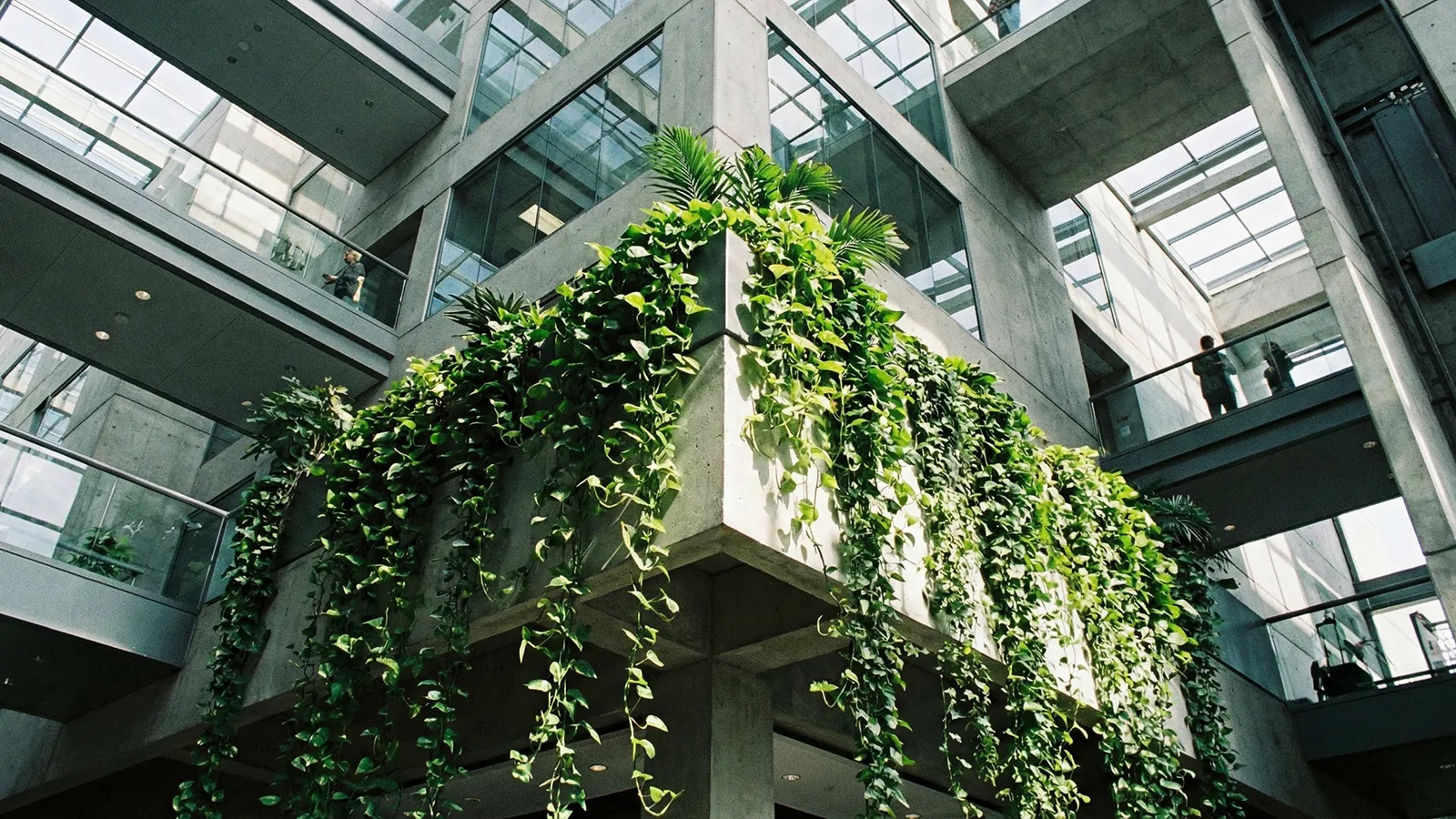
Final Thought: Quality Is Never Accidental
High-end properties avoid grocery store plants for the same reason they avoid cheap finishes or poor lighting. Because quality shows. And shortcuts always surface.
If your space is meant to feel elevated, your plants must be, too. Let’s make sure they are.