
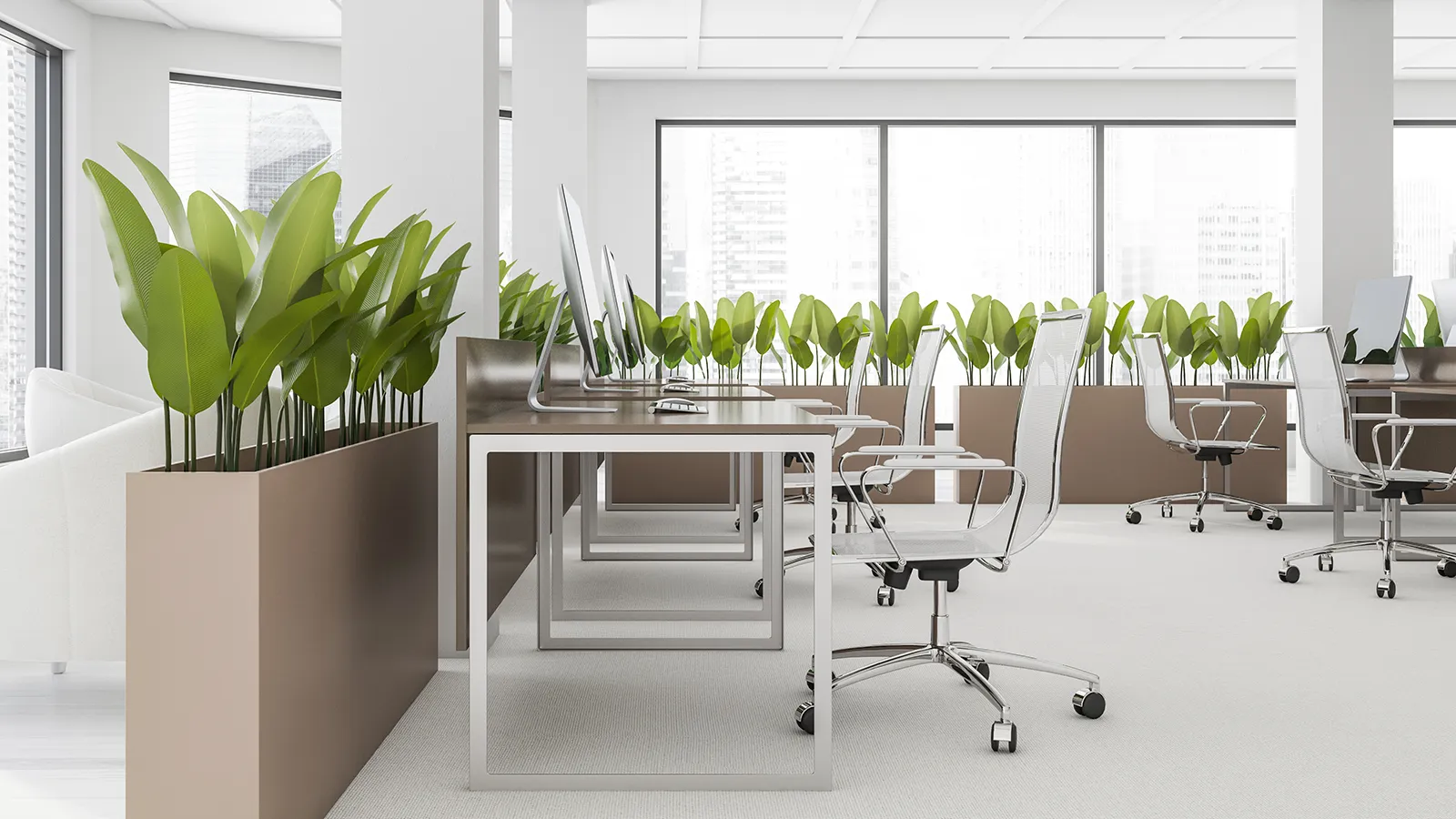
The modern urban landscape is rapidly evolving. For decades, commercial spaces were defined by sterile environments, characterized by harsh fluorescent lighting, endless seas of beige cubicles, and a stark disconnect from the natural world. Today, however, designers, architects, and property managers are recognizing the profound limitations of these bleak spaces. There is a growing consensus that the environments in which we spend the majority of our waking hours must do more than simply house desks and computers; they must actively nurture the people within them.
This paradigm shift has brought biophilic design to the forefront of architectural planning, with interior design and plants emerging as one of the most effective, scalable, and transformative strategies available. Integrating greenery into commercial spaces is no longer a mere afterthought or a decorative luxury; it is a fundamental component of creating healthy, inspiring, and highly functional environments. Whether you are aiming to revitalize a tired corporate headquarters or are laying the groundwork for a cutting-edge startup hub, mastering interior design with plants is essential.
If you are looking for immediate ways to revitalize your space, contact us today to learn more about our comprehensive design consultations.
The Biological Imperative: Why We Need Nature Indoors
Human beings possess an innate affinity for the natural world, a concept popularized as “biophilia” by biologist E.O. Wilson. For thousands of years, our ancestors lived in direct contact with nature, and our neurological systems are still wired to respond positively to natural stimuli. When we are deprived of these connections—locked away in windowless rooms or surrounded entirely by synthetic materials—our stress levels rise, our cognitive function impairs, and our overall well-being suffers.
Implementing interior design with plants bridges this evolutionary gap. By bringing elements of the outdoors inside, architects and designers can trick the brain into a state of relaxed alertness. The presence of foliage introduces organic shapes, varied textures, and vibrant colors that break up the rigid geometry of traditional corporate architecture. This visual complexity provides “soft fascination,” allowing the mind to rest and recover from the intense focus required by screen-based work.
Furthermore, the integration of botanical elements serves as a powerful signal to employees and tenants. It communicates that property managers and corporate leaders value occupant health and are willing to invest in a high-quality environment. In an era where talent retention is a top priority for businesses, a thoughtfully designed, nature-rich workspace becomes a significant competitive advantage.
The Science of Productivity, Health, and Well-being
The benefits of incorporating greenery into commercial settings are not merely anecdotal; they are backed by a robust and growing body of scientific research. Understanding these empirical advantages is crucial for architects and property managers who need to justify the return on investment (ROI) for biophilic installations and interior design with plants.
A landmark study conducted by the University of Exeter found that enriching a “lean” office space with plants could increase productivity by up to 15%. The researchers concluded that a green environment significantly increased workplace satisfaction, self-reported levels of concentration, and perceived air quality.
Speaking of air quality, the famous NASA Clean Air Study demonstrated that certain types of foliage can actively filter harmful volatile organic compounds (VOCs) such as formaldehyde, benzene, and trichloroethylene from enclosed environments. While a massive amount of vegetation is required to completely purify the air in a large commercial building, strategically placed greenery undoubtedly contributes to a healthier microclimate, potentially reducing the incidence of “Sick Building Syndrome” (SBS) and lowering employee absenteeism.
Beyond air purification and productivity, research from the Harvard T.H. Chan School of Public Health emphasizes the connection between green building design and enhanced cognitive function. Employees working in environments with optimized ventilation and natural elements consistently score higher on cognitive tasks, particularly those involving crisis response and strategy.
Ready to transform your workspace into a hub of productivity? Contact Amlings biophilic installation services today and let our experts handle the design, installation, and ongoing maintenance of your corporate greenery.
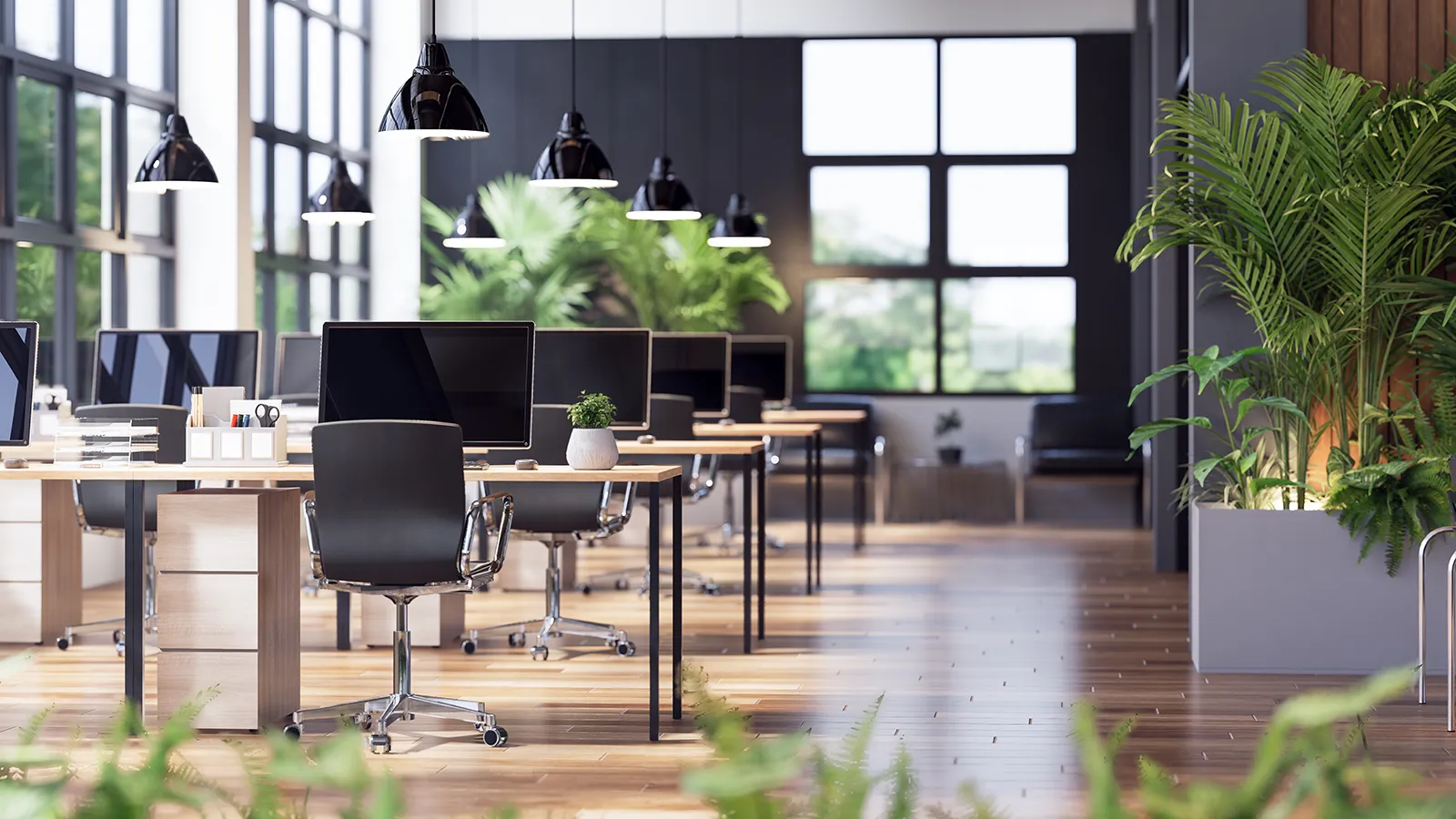
Core Principles of Interior Design with Plants
Successfully executing interior design with plants requires more than just scattering a few potted ferns across a floor plan. It demands a strategic, structural approach that considers the interplay of light, space, and the specific needs of the living elements.
1. Lighting and Orientation
The most critical factor in any botanical installation is light. Before selecting a single species, designers must conduct a thorough light audit of the space. South-facing windows provide intense, direct light suitable for sun-loving species, while north-facing windows offer the gentle, indirect light preferred by many tropical understory plants. In deep floor plans where natural light cannot penetrate, architects must integrate specialized horticultural LED lighting. These lighting systems can be seamlessly built into the office design to ensure the survival of the vegetation without disrupting your overall interior design with plants.
2. Scale and Proportion
Greenery should be scaled appropriately to the volume of the room. A massive, multi-story atrium demands large specimen trees, such as towering Ficus or Black Olives, to ground the space and prevent it from feeling cavernous. Conversely, a small huddle room might only require a carefully curated cluster of desktop foliage or a modest living art frame. The goal is to create a sense of balance, where the vegetation complements the architecture rather than overwhelming it or getting lost within it.
3. Layering and Texture
Just as a landscape architect layers an outdoor garden, a professional executing interior design with plants should thoughtfully layer indoor greenery. Combining tall canopy plants, mid-level bushy varieties, and trailing vines creates a rich, immersive environment. Mixing different leaf textures—from the broad, glossy leaves of a Monstera to the delicate, feathery fronds of a Maidenhair fern—adds visual depth and interest, preventing the installation from looking monotonous.
4. Planter Selection and Integration
The vessels holding the vegetation are just as important as the vegetation itself. Modern interior design with plants often involves building planters directly into the architecture. Recessed floor planters, custom millwork with integrated waterproof liners, and suspended ceiling troughs allow the greenery to feel like a native part of the building rather than a temporary addition. When standalone containers are used, they should align with the overall material palette of the space, whether that involves sleek powder-coated steel, warm terracotta, or polished concrete.
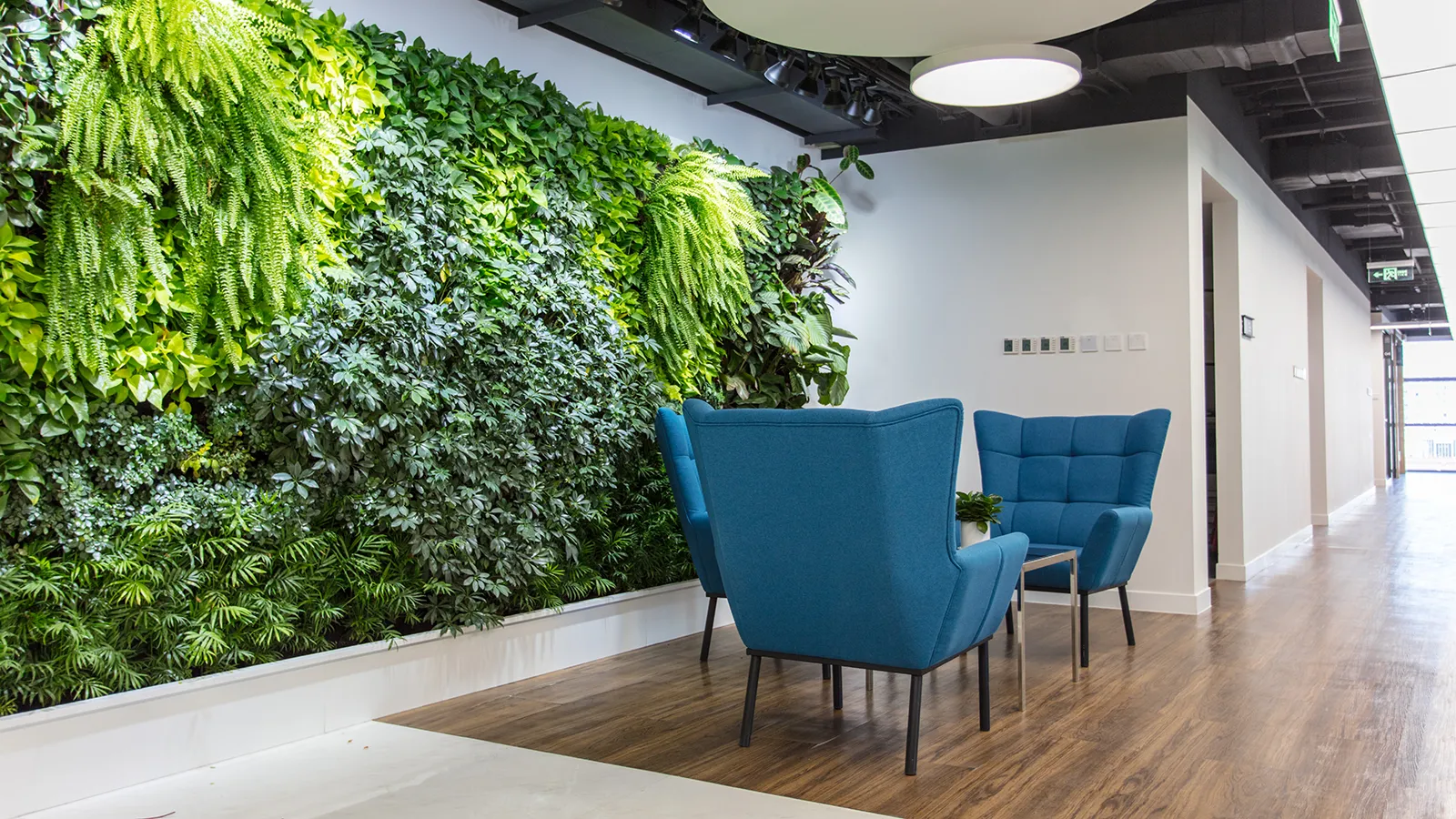
Modern Office Design: Moving Beyond the Cubicle
The evolution of the workplace has been dramatic. We have moved from highly compartmentalized private offices to expansive open-plan layouts, and now, to flexible, hybrid environments. In this current iteration, modern office design must cater to a variety of work styles, offering spaces for deep focus, collaborative brainstorming, and casual socialization.
Greenery is the perfect tool to facilitate this flexibility, which is why interior design with plants has become an industry standard. Unlike rigid drywall partitions, plants offer a softer, more dynamic way to define spatial boundaries. A row of tall, dense sansevierias in a sleek trough can separate a bustling corridor from a quiet workstation area, providing a psychological barrier and a degree of visual privacy without completely blocking light or sightlines.
Furthermore, plants are exceptional acoustic dampeners. Open-plan offices are notoriously noisy, leading to distraction and fatigue. The leaves, stems, and soil of indoor plants absorb, diffract, and reflect sound waves, significantly reducing reverberation times and ambient noise levels. Strategic placement of green walls or large potted arrangements near noisy areas—such as cafeterias or printing stations—can drastically improve the acoustic comfort of the surrounding workspaces.
7 Revolutionary Office Design Ideas Utilizing Plants
For architects and property managers looking for actionable inspiration, here are several office design ideas that leverage the power of biophilia:
- The Living Wall Divider: Instead of using opaque screens or glass walls to divide a large room, install double-sided living walls on heavy-duty casters. These mobile green partitions allow for ultimate layout flexibility while maximizing the presence of indoor plants in the environment.
- The Biophilic Ceiling: Suspend a grid system above workstations and intertwine it with trailing vines like Pothos or Philodendron cordatum. This creates a lush canopy effect, making the ceiling feel lower and more intimate, which can be particularly effective in industrial spaces with exposed ductwork and soaring heights.
- The Indoor Atrium Forest: For buildings with central skylights or atriums, create a dense, ground-level indoor forest. Complete with meandering pathways, varied seating options, and diverse plant species, this area becomes the “town square” of the building, encouraging spontaneous collisions and collaborative interactions among employees.
- Integrated Desk Planters: Work with furniture manufacturers to specify desking systems that feature built-in, waterproof plant troughs at the end of each desk run. This ensures that every single employee has immediate, close-up access to nature, enhancing the micro-level interior design with plants.
- The Moss Art Installation: In areas with zero natural light where living vegetation would struggle, preserved moss walls offer a brilliant alternative. These installations require no watering or light, yet still provide the acoustic benefits and visual texture of living greenery. They can be cut into corporate logos or abstract geometric patterns.
- The Greenhouse Meeting Room: Construct a freestanding, glass-enclosed meeting room within a larger open floor plan, and surround its exterior base with dense, tropical foliage. This creates a “room within a room” that feels entirely secluded and immersed in nature.
- The Wellness Room Oasis: Dedicated wellness or lactation rooms should be sanctuaries of calm. Incorporate soft, indirect lighting, comfortable seating, and an abundance of air-purifying indoor plants to create a deeply restorative environment.
Need help bringing these office design ideas to life? Contact Amlings today! Our team will seamlessly integrate botanical elements into your architectural plans.
Selecting the Optimal Indoor Plants for Commercial Spaces
The success of any biophilic project, especially one centered on interior design with plants, hinges on specifying the right species for the right location. Commercial environments can be harsh, with fluctuating temperatures, dry air from HVAC systems, and inconsistent care if not managed by professionals. Designers must prioritize resilient indoor plants that can thrive under these conditions.
- Low-Light Champions: For interior corridors, elevator lobbies, and northern exposures, rely on the survivors of the plant world. The Zamioculcas zamiifolia (ZZ Plant) and the Sansevieria (Snake Plant) can tolerate extremely low light levels and infrequent watering. Aglaonema (Chinese Evergreen) varieties offer a splash of color with their variegated leaves and are highly adaptable to office environments.
- Bright, Indirect Light Performers: Near large, shaded windows or under high-quality artificial lighting, the options expand significantly. Ficus lyrata (Fiddle Leaf Fig) remains popular for its dramatic scale, though the Ficus audrey is gaining traction as a slightly more forgiving alternative. The Strelitzia nicolai (White Bird of Paradise) adds an immediate tropical, architectural flair to spacious lobbies.
- Trailing and Climbing Varieties: For green walls, hanging baskets, and high shelves, Epipremnum aureum (Golden Pothos) and Philodendron hederaceum (Heartleaf Philodendron) are unbeatable for their rapid growth and resilience.
- Architectural Specimens: When a space requires a bold, sculptural statement, consider large cacti or succulents like the Euphorbia ammak, provided they have access to abundant, direct sunlight.
If you are unsure which species will thrive in your specific building, contact us to schedule a comprehensive site assessment and light audit.
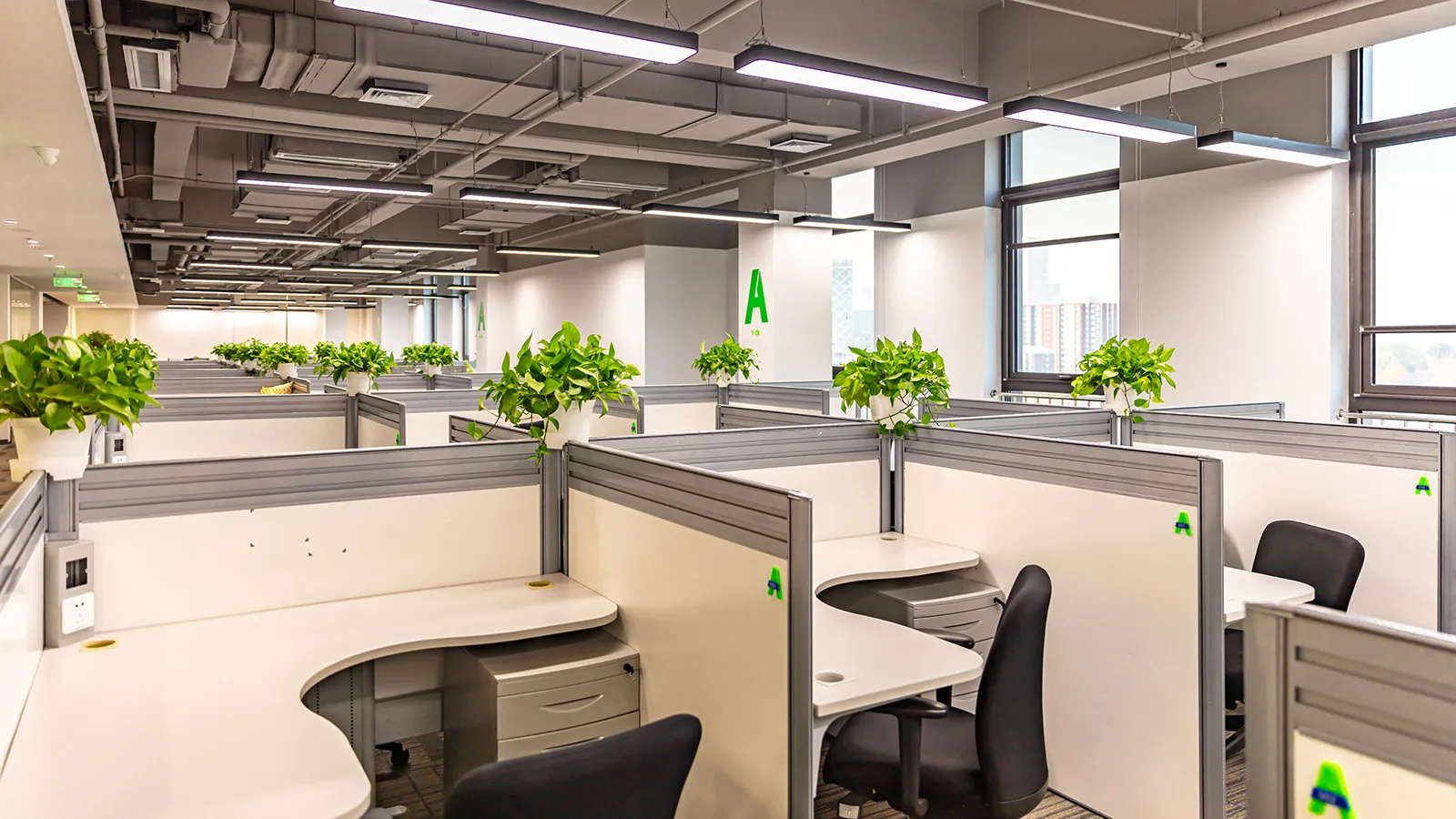
Infrastructure and Architectural Considerations
Integrating substantial vegetation into a commercial building is not just an aesthetic endeavor; it is a core engineering challenge for modern interior design with plants. Architects and property managers must address several critical infrastructure points early in the design phase.
Water and Irrigation: Hand-watering a massive commercial installation is labor-intensive and prone to human error. Large-scale interior design with plants, particularly green walls and extensive built-in planters, require automated drip irrigation systems. These systems must be plumbed directly into the building’s water supply and feature fail-safes and drainage protocols to prevent catastrophic leaks.
Structural Load: Wet soil and large planters are incredibly heavy. Before specifying a multi-tree installation on an upper floor, structural engineers must verify that the floor plate can handle the localized dead load. Lightweight soil mediums and fiberglass containers are often utilized to mitigate this issue.
HVAC and Airflow: Plants transpire, releasing moisture into the air. A high density of vegetation can significantly impact the relative humidity of a space. HVAC systems must be calibrated to handle this increased moisture load to prevent condensation and mold growth, particularly in tightly sealed, energy-efficient buildings. Furthermore, plants should not be placed directly in the path of aggressive supply vents, as the constant draft can desiccate their leaves.
The Economic Argument for Property Managers
For property managers and commercial real estate developers, investing in sophisticated office design that prominently features interior design with plants is a highly strategic financial decision.
Firstly, biophilic buildings command premium lease rates. Tenants are increasingly demanding workspaces that actively support the health and well-being of their workforce, and they are willing to pay a premium for buildings that offer these amenities. A well-designed, plant-rich lobby serves as a powerful marketing tool during building tours.
Secondly, these environments reduce tenant turnover. When businesses occupy spaces where their employees are happier, healthier, and more productive, they are far more likely to renew their leases. The cost of retaining a tenant is exponentially lower than the cost of finding a new one, outfitting the space, and suffering through months of vacancy.
Finally, green building certifications, such as LEED (Leadership in Energy and Environmental Design) and the WELL Building Standard, heavily incentivize the use of biophilic elements. Achieving these certifications not only boosts the prestige and marketability of the property but can also lead to significant tax benefits and municipal incentives.
Partnering with the Experts
Transforming a sterile corporate box into a thriving, verdant ecosystem is a complex undertaking. It requires a deep understanding of horticulture, interior architecture, plumbing, and lighting design. Attempting to manage this process without specialized expertise often leads to failing plants, water damage, and wasted budgets.
This is where professional intervention becomes vital. By partnering with specialists, designers and architects can ensure that their vision for interior design with plants is executed flawlessly, from the initial schematic design to the ongoing, long-term maintenance of the living assets.
The Future of Interior Design with Plants
The era of the bleak, uninspired workplace is over. Today’s most successful commercial spaces prioritize human health, well-being, and connection to nature. By embracing interior design with plants, architects, designers, and property managers have the power to fundamentally transform the urban environment. Through careful planning, strategic species selection, and a commitment to biophilic principles, we can create modern offices that not only look spectacular but actively help the people within them thrive.
Don’t let your workspace fall behind the curve. Contact Amlings comprehensive biophilic design and maintenance services today, and let us help you turn your bleak environment into a stunning, productive oasis.