
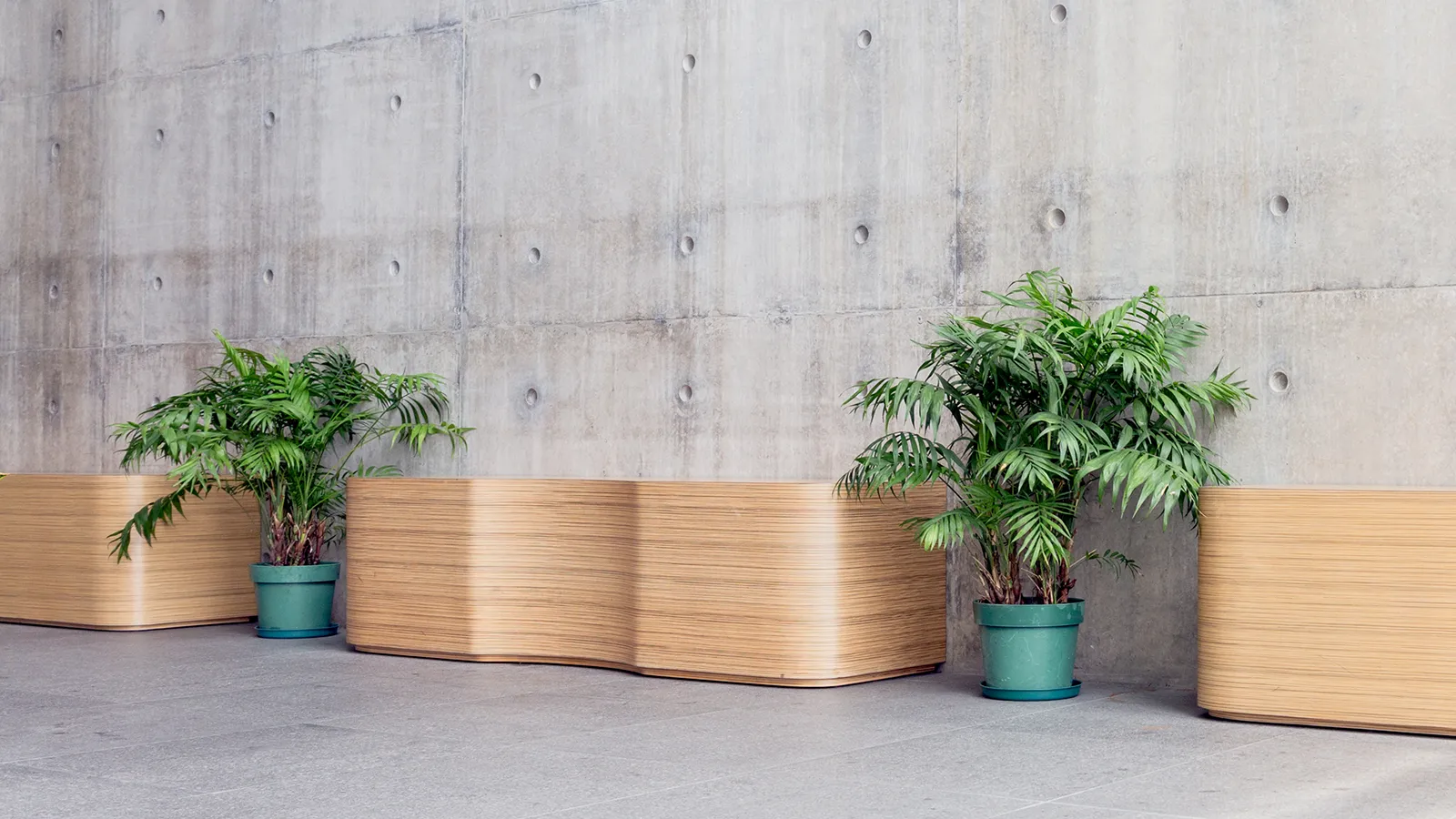
In the downtown skyline of Chicago, where industrial history meets modern luxury, the air inside our buildings can often feel static. As we spend more time in renovated historic buildings and glass-walled offices, the disconnect from the natural world becomes palpable. This is where biophilic interior design steps in—not merely as a trend, but as a fundamental shift in how we inhabit urban spaces.
By strategically pairing the organic textures of various types of foliage plants with the hard surfaces of urban architecture, you can transform a sterile environment into a living sanctuary. Whether you are a property manager in the West Loop or an interior designer working on a high-rise, understanding the interplay of texture and contrast is the key to successful modern interior design with plants.
Understanding the Biophilic Connection
Biophilic interior design is rooted in the “biophilia hypothesis,” which suggests that humans possess an innate tendency to seek connections with nature and other forms of life. According to research published by the National Institutes of Health (NIH), environments that incorporate natural elements can significantly reduce stress, enhance cognitive function, and improve overall well-being.
In a city like Chicago, where the winters are long and the landscape is dominated by steel, bringing the outdoors in is essential. But simply placing a pot in a corner isn’t enough. To achieve true harmony, you must treat your plants as architectural elements.
Looking to revitalize your corporate office or residential lobby? Contact Amlings to ensure your plant selections are expertly maintained and aesthetically flawless.
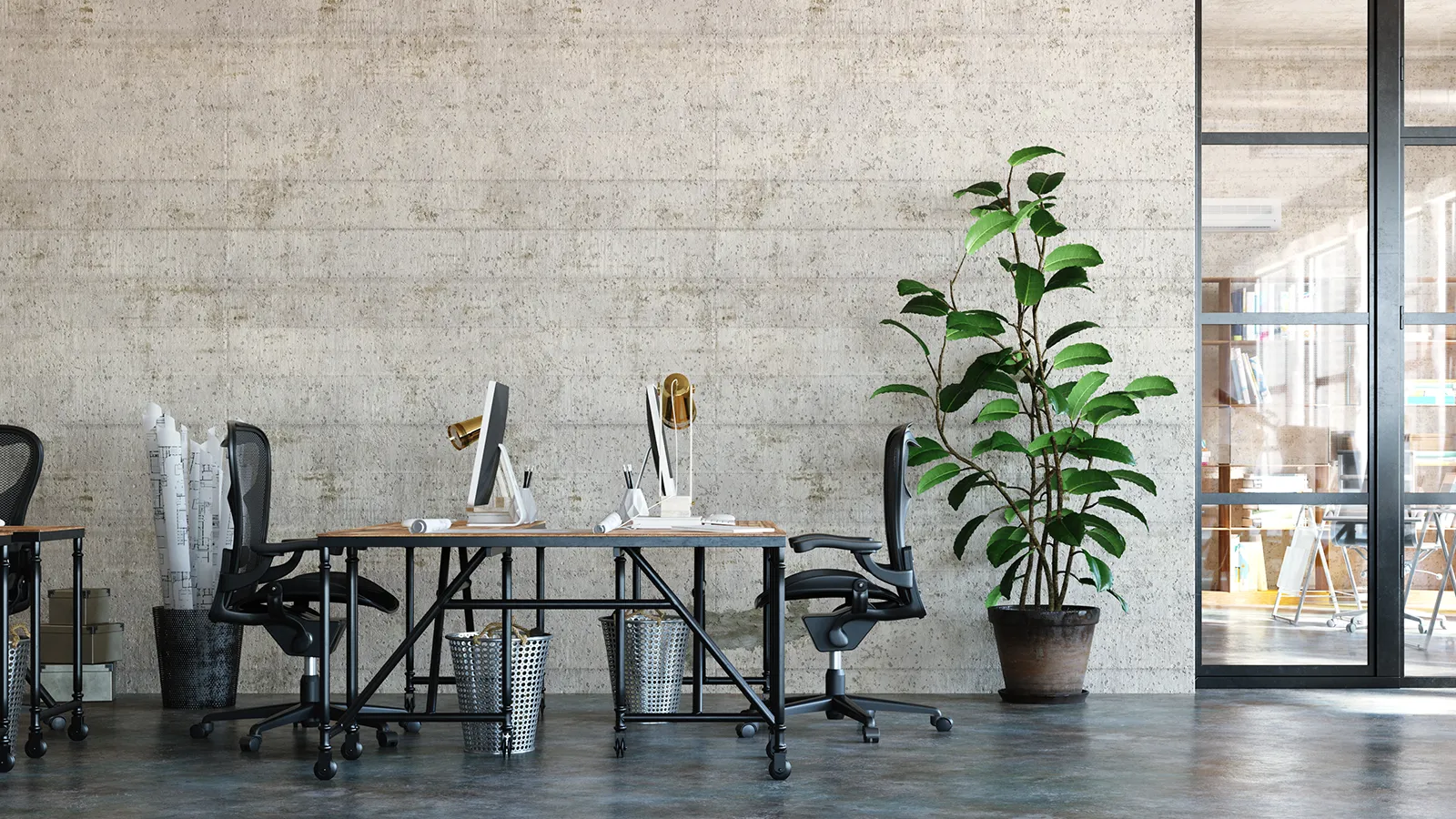
1. Glossy Foliage vs. Industrial Matte: The Polished Concrete Pairing
One of the most popular finishes in Chicago’s urban renovations is polished concrete. Its cool, grey tones and smooth surface provide a minimalist backdrop, but it can often feel cold or “flat.”
The Pairing: Rubber Trees and ZZ Plants
To contrast the matte or satin finish of concrete, use types of foliage plants with high-gloss leaves. The Ficus elastica (Rubber Tree) or the Zamioculcas zamiifolia (ZZ Plant) are perfect candidates.
- Why it works: The waxy, reflective surface of the leaves catches the light, creating a dynamic visual “pop” against the non-reflective concrete.
- Visual Impact: The deep greens of the foliage look richer and more saturated when placed against neutral greys.
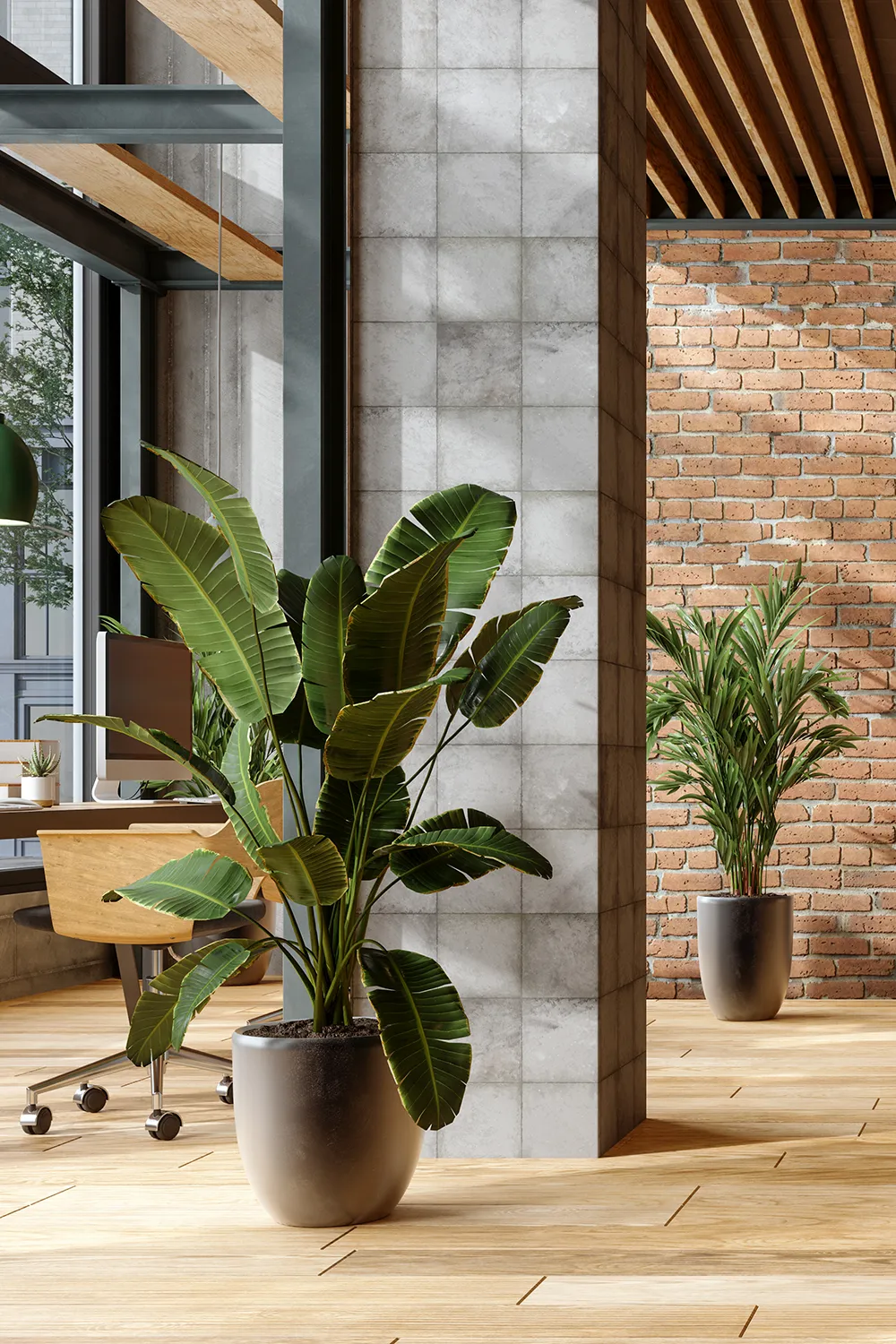
2. Velvety Textures vs. Exposed Brick: The Historic Loft Look
Chicago is famous for its repurposed historic buildings. Exposed brick provides a high-texture, “busy” background with warm, earthy tones.
The Pairing: Calatheas and Alocasias
When dealing with the ruggedness of brick, you need plants that offer a soft, tactile contrast. This is where plant decor ideas involving “velvet” foliage shine.
- The Best Match: The Calathea warscewiczii or Alocasia ‘Black Velvet’.
- The Contrast: The softness of the leaf absorbs light, creating a deep, “quiet” visual space that balances the “loud” texture of the brick.
- Color Theory: Use the deep purples and dark greens of these plants to complement the red and orange hues of Chicago common brick.
If you are unsure which species will thrive in your specific light conditions, contact us for more information regarding our professional site assessments.
3. Fern-like Sophistication vs. Hard Brass and Metal: The Luxury Contrast
Modern luxury interiors often feature metallic accents—specifically brass, gold, and blackened steel. These materials are rigid, linear, and “hard.”
The Pairing: Maidenhair Ferns and Asparagus Ferns
To break up the rigidity of metal shelving or brass light fixtures, incorporate delicate, airy types of foliage plants.
- The Best Match: Adiantum (Maidenhair Fern) or Asparagus setaceus.
- The Contrast: The “fractal” nature of fern fronds provides a chaotic, soft texture that softens the sharp lines of metalwork.
- Sophisticated Styling: Drape ferns over brass planters to allow the green “mist” of the foliage to veil the reflective metal.
4. Matte Broadleaves vs. Rich Fabrics: The Executive Suite
In high-end Chicago boardrooms or boutique hotel lounges, you’ll often find velvet upholstery, heavy linens, and plush carpets.
The Pairing: Bird of Paradise and Monstera Deliciosa
For modern interior design with plants in these “soft” environments, you need bold, architectural foliage that stands its ground.
- The Best Match: Strelitzia nicolai (Giant White Bird of Paradise).
- The Contrast: The large, matte, structural leaves provide a clean silhouette that doesn’t get lost in the patterns or textures of the fabrics.
- Space Management: In large Chicago spaces with high ceilings, these massive leaves mirror the scale of the furniture, creating a sense of proportion.
Designing for Success: Best Pairings for Chicago Businesses
When implementing biophilic interior design, consistency is key. Below is a comparison table to help building managers and designers choose the right foliage for their specific interior finishes.
Texture Matching Matrix
| Interior Material | Ideal Foliage Texture | Recommended Plant Species | Design Effect |
|---|---|---|---|
| Exposed Brick | Velvety / Soft | Calathea, Alocasia | Softens ruggedness |
| Polished Concrete | Glossy / Waxy | ZZ Plant, Rubber Tree | Adds light and life |
| Brass / Gold Metal | Fern-like / Fine | Maidenhair Fern, Plumosa | Softens sharp edges |
| Reclaimed Wood | Variegated / Bold | Marble Queen Pothos | Adds visual movement |
| Glass / Mirror | Broad / Structural | Monstera, Fiddle Leaf Fig | Creates clean silhouettes |
For those looking to overhaul a large commercial space, learn more about our custom design consultations tailored to the Chicago climate.

The Science of “Green” Productivity
The benefits of biophilic interior design extend beyond aesthetics. A landmark study by the University of Exeter found that “green” offices—those with significant plant life—increased worker productivity by 15%. For Chicago businesses, this translates to better employee retention and higher performance.
When you invest in plant decor ideas, you aren’t just buying “decorations”; you are investing in the health and efficiency of your workforce. The combination of improved air quality and the psychological “restorative” effect of nature is a powerful tool for any building manager.
Selecting the Right Types of Foliage Plants for Low Light
Chicago interiors are not always blessed with abundant sunlight, especially during the winter months. To maintain a successful biophilic interior design scheme, you must select plants that can handle the “urban canyon” effect.
- Sansevieria (Snake Plant): Architectural, sword-like leaves that contrast perfectly with soft textiles.
- Aglaonema (Chinese Evergreen): Provides variegated patterns that break up the monotony of solid-colored walls.
- Pothos: The ultimate trailing plant for high shelves, adding a “waterfall” of green to hard wooden surfaces.
Maintenance: The Secret to Long-Term Biophilic Success
A dying plant is the antithesis of biophilia. It signals neglect and can actually increase stress in an environment. This is why professional care is essential for commercial spaces. Dusting leaves, proper fertilization, and precise watering schedules are what keep foliage looking “velvety” or “glossy” as intended.
To keep your investment thriving year-round, contact Amlings for a comprehensive maintenance plan that takes the guesswork out of plant care.
Elevate Your Chicago Space
The intersection of texture and contrast is where biophilic interior design becomes an art form. By pairing the right types of foliage plants with the materials of the Chicago landscape—brick, concrete, and steel—you create a space that feels both grounded and revitalized.
Whether you are looking to refresh a single executive office or an entire residential complex, the right plant decor ideas can redefine the user experience. Don’t leave your interior environment to chance.
Talk to a Designer