
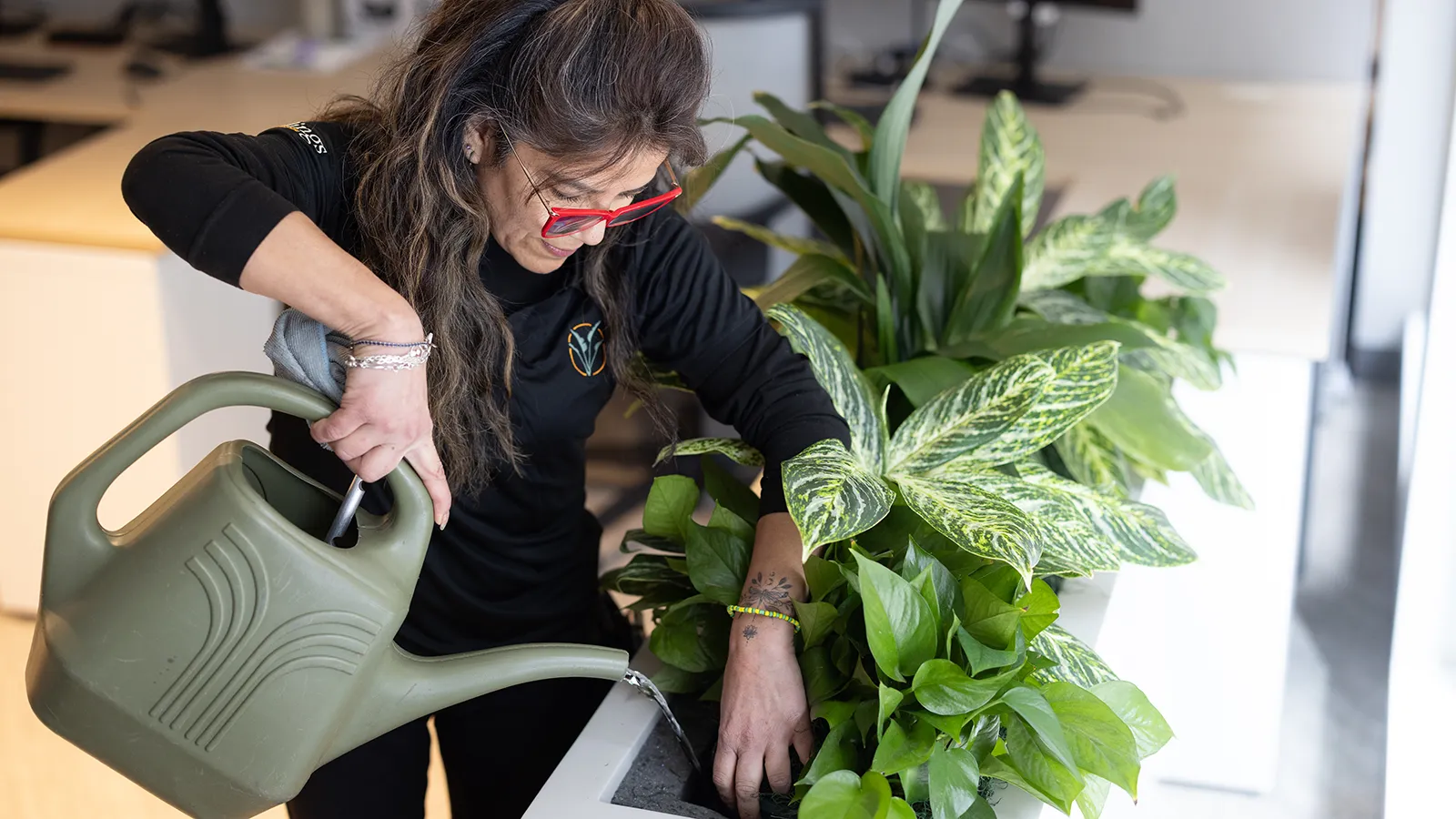
Welcome to the comprehensive, expert-led guide designed specifically for property managers, facility directors, and owners of Class-A office buildings, premium co-working spaces, and large multi-family residential complexes. If you have invested in biophilic design and interior landscaping, you already understand that lush, vibrant greenery elevates the aesthetic appeal, psychological comfort, and market value of your property. However, preserving that investment requires far more than casual care.
Watering plants is not as simple as just pouring a glass of water into a potted plant whenever the soil looks dry. It is a deeply nuanced, highly scientific process that dictates the overarching success or failure of your interior landscape. Proper plant watering requires an understanding of botany, soil science, fluid dynamics, and environmental variables.
In this guide, we will explore the intricate science behind indoor plant irrigation, outline the vital components of professional plant maintenance, and demonstrate why securing a dedicated plant watering service like Amlings is the smartest decision you can make for your commercial property.
To ensure your premium spaces remain pristine and your botanical investments thrive, contact us for more information about our comprehensive horticultural programs today.
The Hidden Science Behind Plant Watering
When you execute a plant watering routine, you are initiating a complex biological chain reaction. To truly understand plant health, we must look below the soil surface and examine how plants interact with moisture on a cellular level.
The Mechanics of Capillary Action and Osmosis
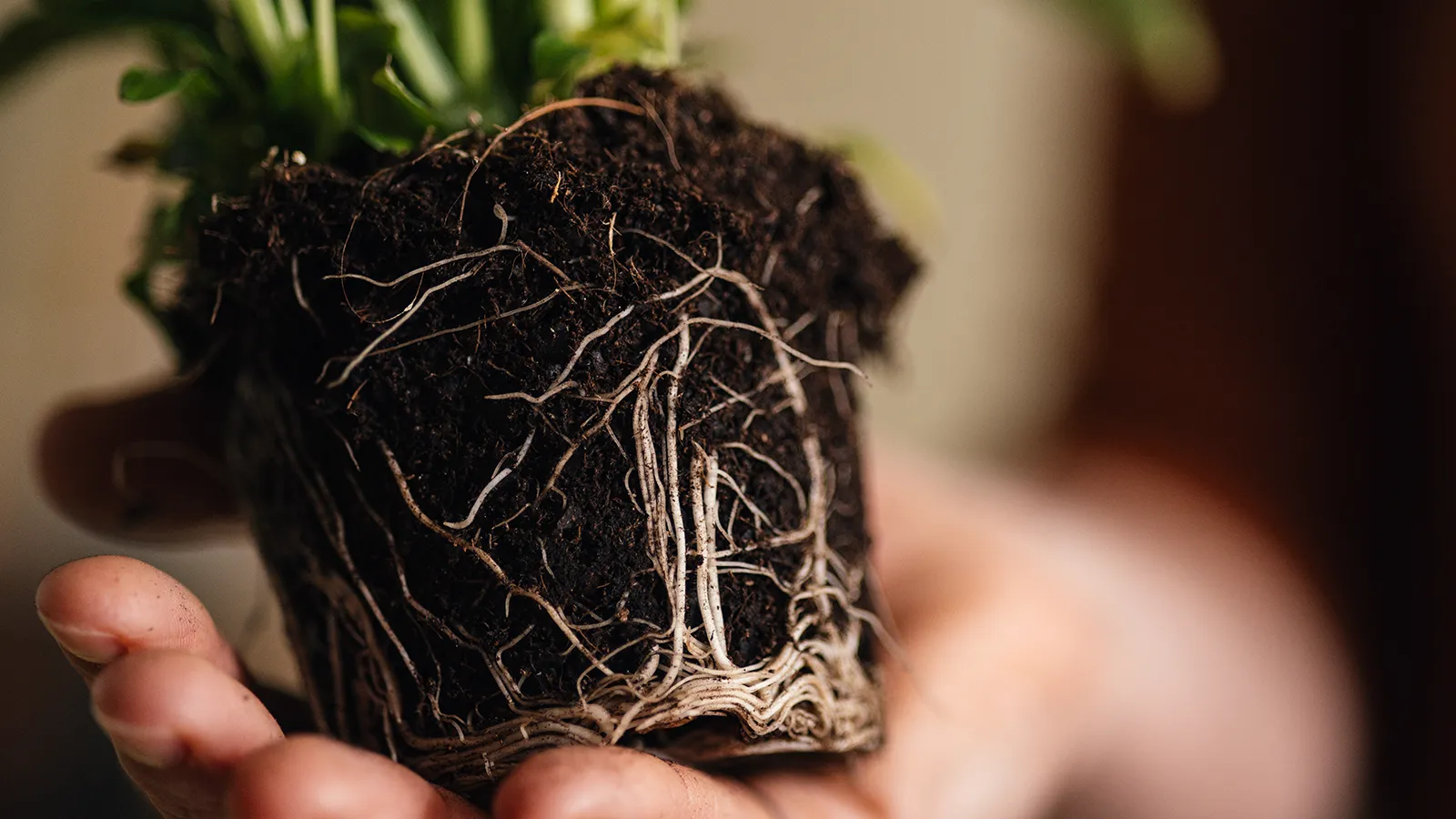
Plants absorb water primarily through microscopic root hairs via a process called osmosis. For osmosis to occur efficiently, the concentration of water in the soil must be greater than the concentration inside the root cells. When water is introduced to the soil, it travels upward through the plant’s vascular system—specifically the xylem—defying gravity through a mechanism known as capillary action and transpirational pull.
A foundational review of the cohesion-tension theory (Steudle, 2001) notes that this continuous hydraulic system relies on negative pressures to draw water from the soil up to the evaporating surfaces of the leaves. Furthermore, studies exploring capillarity and cellular mechanisms (Ye et al., 2004) demonstrate that this overarching tension directly influences the gating of aquaporins (microscopic water channels) to regulate flow.
If the soil is chronically parched due to improper plant watering, the transpirational pull breaks down, leading to a loss of turgor pressure. Turgor pressure is the internal water pressure that keeps stems upright and leaves rigid. Without it, the plant rapidly wilts.
Root Respiration and the Danger of Anaerobic Soil
Conversely, excessive plant watering is equally devastating. Plant roots do not merely absorb water; they also need to “breathe” oxygen to convert sugars into usable energy, a process known as root respiration. When you over-saturate a potted plant without proper drainage, the water displaces all the vital oxygen pockets within the soil matrix. Scientific studies demonstrate that environmental stress from this exact type of oxygen deprivation directly and rapidly inhibits specific root respiration (Lak et al., 2020).
This creates an anaerobic (oxygen-starved) environment. While some specialized plants can survive these hypoxic conditions by developing internal, gas-filled channels called aerenchyma to transport oxygen (Wany & Gupta, 2018), most common potted plants lack this rapid adaptation. Under these conditions, roots begin to suffocate and decay, inviting destructive pathogens like Pythium and Phytophthora—the primary culprits behind root rot. Achieving optimal plant health means maintaining the delicate equilibrium between field capacity (the amount of water the soil can hold against gravity) and adequate soil aeration.
Why Commercial Spaces Demand Precision Plant Maintenance
Class-A office buildings and luxury multi-family residential complexes present unique environmental challenges that require specialized skills. Professional plant maintenance is an absolute necessity in these high-end environments for several critical reasons.
The Microclimates of Premium Real Estate
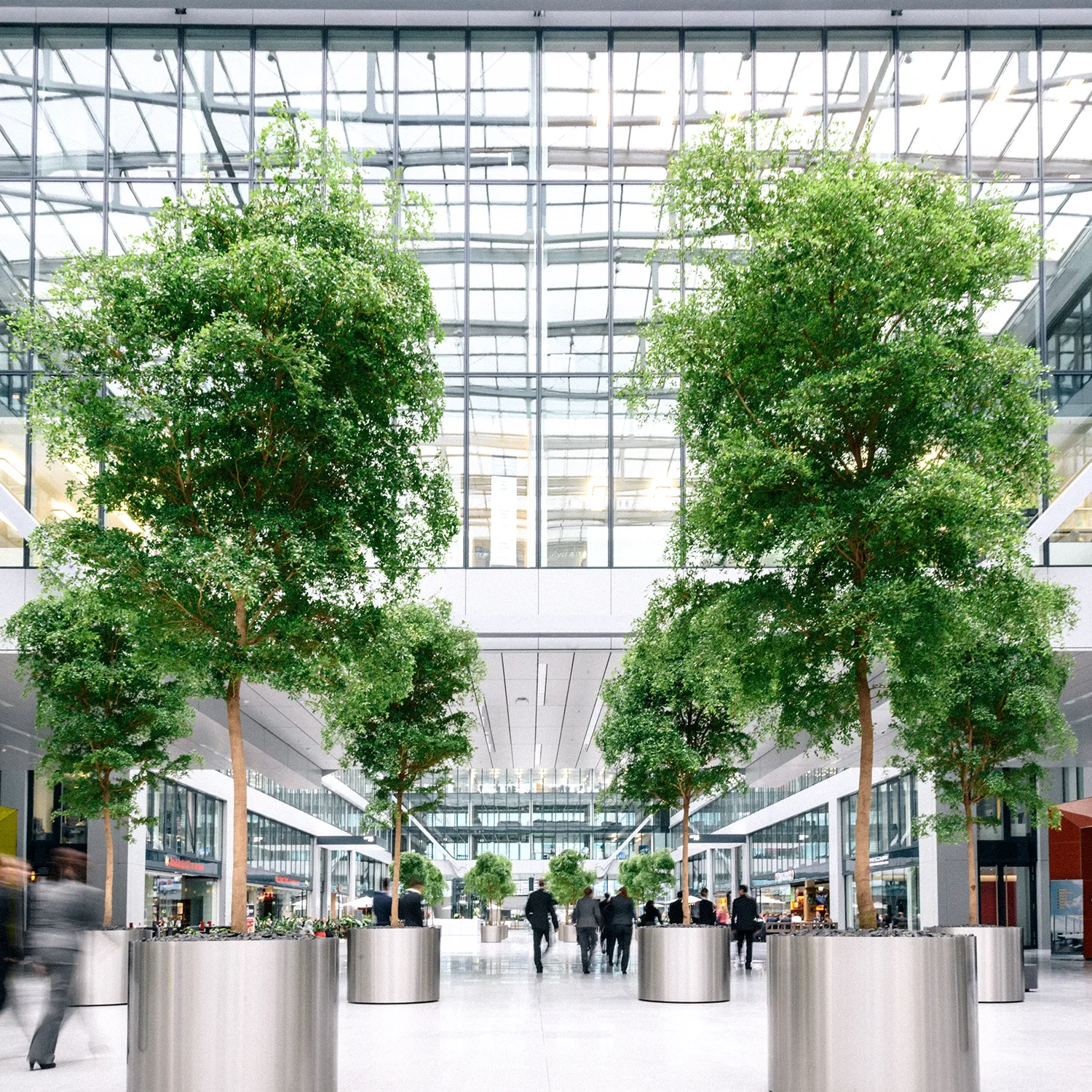
Large commercial buildings are rarely uniform in their environmental conditions. A sprawling lobby with massive, multi-story glass facades experiences intense thermal loading and bright, direct sunlight during the day, followed by rapid cooling at night. Meanwhile, an interior executive conference room on the same floor may rely entirely on artificial LED lighting and aggressive, constant HVAC air conditioning.
Because of these extreme microclimates, a standardized plant watering schedule—such as watering every plant in the building every Friday—will inevitably result in disaster. The plants in the sun-drenched lobby will dehydrate and suffer from scorched, crispy foliage, while the plants in the cool, shaded conference room will drown from over-accumulation of moisture.
To secure your building’s aesthetic standard, you must move beyond generic care. If your maintenance team is struggling to keep up with these varied environmental demands, we encourage you to learn more about how Amlings can tailor a dynamic watering protocol for your specific floor plans.
The Financial Cost of Poor Plant Health
In premium co-working spaces and high-end residential communities, the visual standard must be flawless. A dying, yellowing, or pest-infested Ficus tree in your main lobby is not just an eyesore; it subtly communicates neglect to your tenants, clients, and prospective residents.
Furthermore, large commercial interior plants and bespoke planters are significant capital investments. Replacing mature, acclimatized indoor trees due to improper plant watering practices is incredibly expensive. A proactive plant maintenance program protects this investment, ensuring that your initial expenditure yields years of beautiful, air-purifying returns.
Key Variables Influencing Your Plant Watering Needs
Mastering indoor plant irrigation means understanding how environmental factors alter a plant’s metabolic rate and, consequently, its thirst. Our horticultural experts at Amlings meticulously evaluate the following variables when designing a custom plant watering service plan.
1. Light Intensity and Photosynthetic Rates
Light is the engine that drives a plant’s metabolism. Plants situated in brightly lit areas, such as near south-facing windows or under skylights, photosynthesize at a much higher rate. This rapid growth demands greater volumes of water. Conversely, plants positioned in low-light corridors or deep interior spaces process water very slowly. Applying high-light watering frequencies to low-light plants is a guaranteed pathway to root suffocation and declining plant health.
2. Temperature and HVAC Airflow
Commercial HVAC systems are designed to keep humans comfortable, but they can be brutal on tropical indoor plants. Constant drafts from air conditioning vents strip moisture from the surface of plant leaves through transpiration. Heating systems in the winter drastically lower indoor humidity levels, causing the soil to dry out rapidly. Professional plant watering requires constant adjustments to account for these artificial temperature and humidity shifts.
3. Soil Composition and Planter Dynamics
Not all potting soils are created equal. High-quality commercial plant maintenance utilizes specific soil amendments—like perlite, pumice, and orchid bark—to ensure rapid drainage and adequate root aeration. Furthermore, many Class-A office buildings utilize decorative planters that do not have traditional drainage holes. In these scenarios, professionals use sub-irrigation systems or sophisticated top-dressing techniques to prevent a “perched water table” (a saturated zone of soil at the bottom of the pot) from destroying the root system.
Diagnosing Plant Health: The Water Balance
Even with the best intentions, subtle shifts in environmental conditions can tip the scales. Knowing how to read the visual cues of your foliage is an essential component of professional plant maintenance. Here is how experts diagnose watering imbalances to protect overall plant health.
The Symptoms of Overwatering
Overwatering is the number one cause of indoor plant mortality in commercial settings. Because the roots are drowning in an anaerobic environment, they ironically cannot absorb the water or nutrients the plant needs. Symptoms of chronic overwatering include:
- Yellowing Leaves (Chlorosis): Lower leaves turn a sickly yellow and drop off easily when touched.
- Soft, Mushy Stems: The base of the plant becomes structurally compromised and soft, indicating advanced rot.
- Foul Odors: A distinct, swampy smell emanating from the soil indicates bacterial and fungal decay.
- Edema: Blister-like lesions on the undersides of leaves where plant cells have burst from excessive water pressure.
The Symptoms of Underwatering
When plant watering is neglected, the plant engages in extreme conservation measures. It will sacrifice older foliage to preserve the newly developing growth at the apical meristem. Symptoms of severe dehydration include:
- Crispy, Brown Margins: The edges and tips of the leaves become dry, brittle, and brown.
- Severe Wilting: The entire plant droops dramatically as internal turgor pressure plummets.
- Dry, Contracted Soil: The potting medium pulls away from the sides of the container, causing water to run straight down the sides and out the bottom without actually soaking the root ball.
Diagnosing these issues before they become terminal requires a trained eye. If you are noticing these symptoms within your facility’s greenery, it is time to intervene. Contact us for more information regarding our emergency diagnostic and rehabilitation services.
The Superior Strategy: Securing a Plant Watering Service
For facility managers and property owners, delegating interior landscaping to the custodial staff is a common, yet fatal, mistake. Custodial teams excel at sanitation and building upkeep, but they lack the botanical education required for advanced plant health diagnostics. This is why partnering with a premier plant watering service is the industry standard for elite properties.
Precision Moisture Measurement
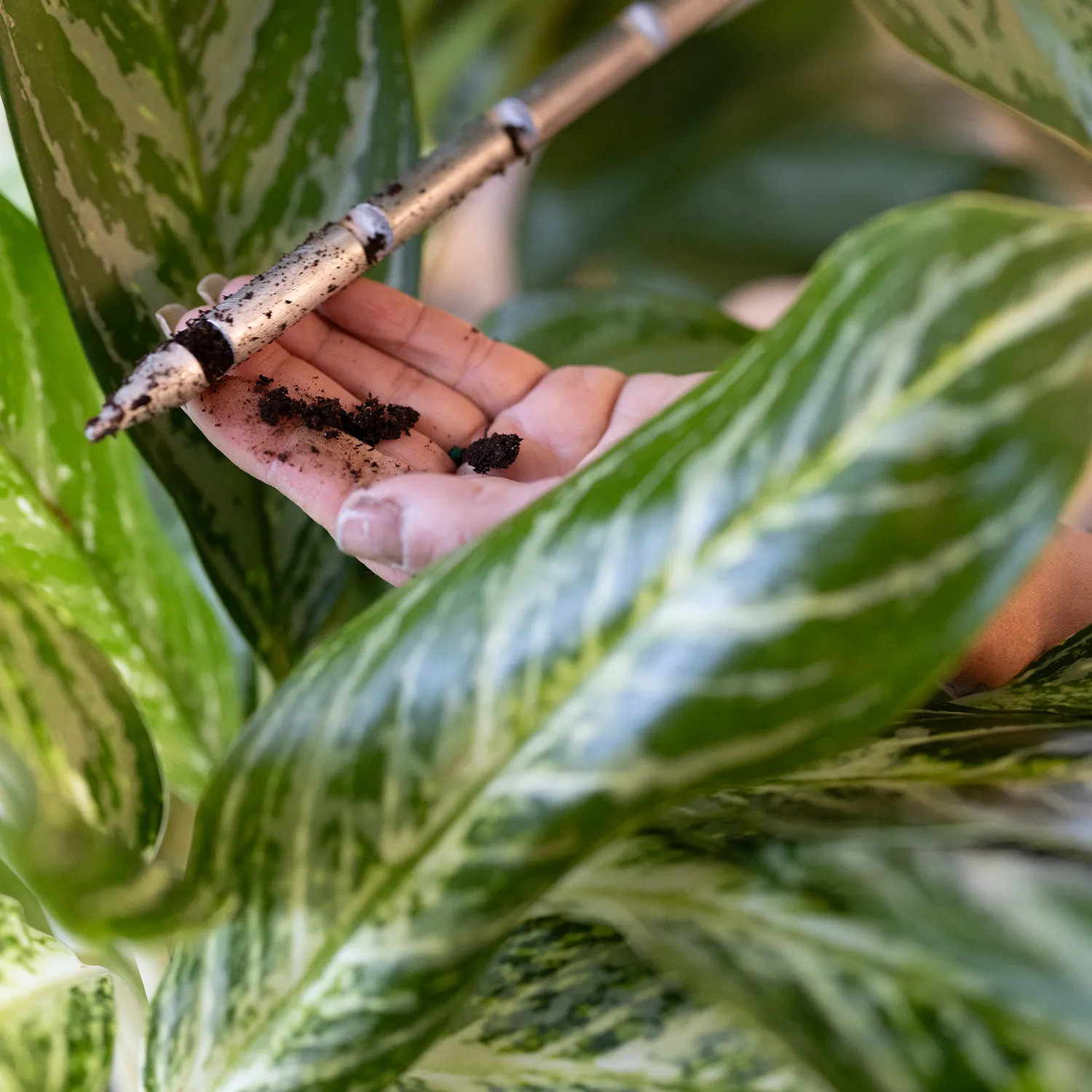
When the experts from Amlings arrive on-site, they do not guess when it comes to plant watering. Professional technicians utilize sophisticated soil moisture meters, tensiometers, and manual core soil probes. These tools allow our technicians to extract a cross-section of the soil profile, analyzing moisture levels at the very bottom of the planter, not just the top inch. This scientific approach ensures that water is delivered only when the root zone actually requires it, preventing both drought stress and root rot.
Integrated Pest Management (IPM)
Pest infestations—such as fungus gnats, spider mites, mealybugs, and scale—are intrinsically linked to watering practices. For instance, chronically damp topsoil is the ideal breeding ground for fungus gnats. A professional plant watering service includes regular pest scouting as a core component of plant maintenance. By optimizing the watering schedule and applying targeted, eco-friendly treatments, our service prevents minor pest introductions from escalating into full-blown building-wide infestations.
Nutrition and Water Quality Management
Municipal tap water in commercial buildings often contains high levels of chlorine, chloramine, fluoride, and dissolved minerals (hard water). Over time, these chemicals accumulate in the potting soil, leading to toxic salt buildup that burns delicate root tips and causes leaf necrosis. A top-tier plant maintenance program includes regular soil flushing, the use of distilled or filtered water for highly sensitive species, and the precise administration of water-soluble fertilizers tailored to the specific growth phase of each plant.
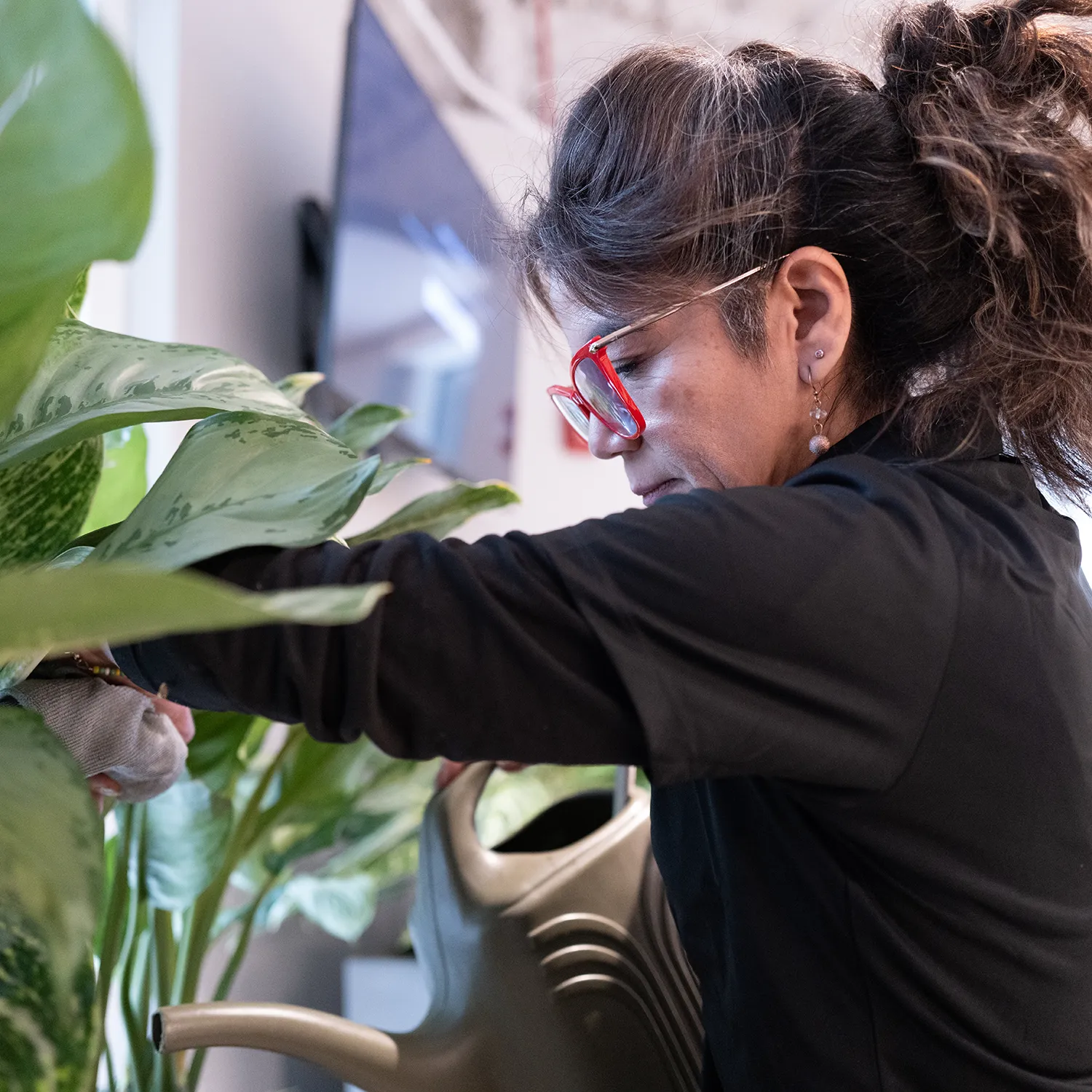
How Amlings Transforms Your Green Spaces
At Amlings, we understand that your commercial space is a reflection of your brand.’s prestige. Owners of Class-A office buildings, high-end co-working spaces, and luxury multi-family complexes cannot afford the visual liability of dead or dying greenery.
Our comprehensive plant watering service goes far beyond simple hydration. We provide a holistic approach to plant health that includes:
- Customized Watering Algorithms: We map your building’s microclimates, adjusting our hydration strategies for seasonal changes, HVAC schedules, and architectural lighting.
- Expert Pruning and Cleaning: Dust accumulation on leaves inhibits photosynthesis. Our technicians meticulously clean foliage, prune dead organic matter, and rotate plants to ensure even, upright growth.
- Seamless, Unobtrusive Service: We understand the flow of premium commercial environments. Our technicians operate quietly and cleanly, ensuring zero disruption to your executives, tenants, or residents.
- Total Replacement Guarantees: When you utilize our full-service plant maintenance programs, we assume the risk. If a plant declines under our care, we replace it seamlessly, ensuring your aesthetic remains flawless year-round.
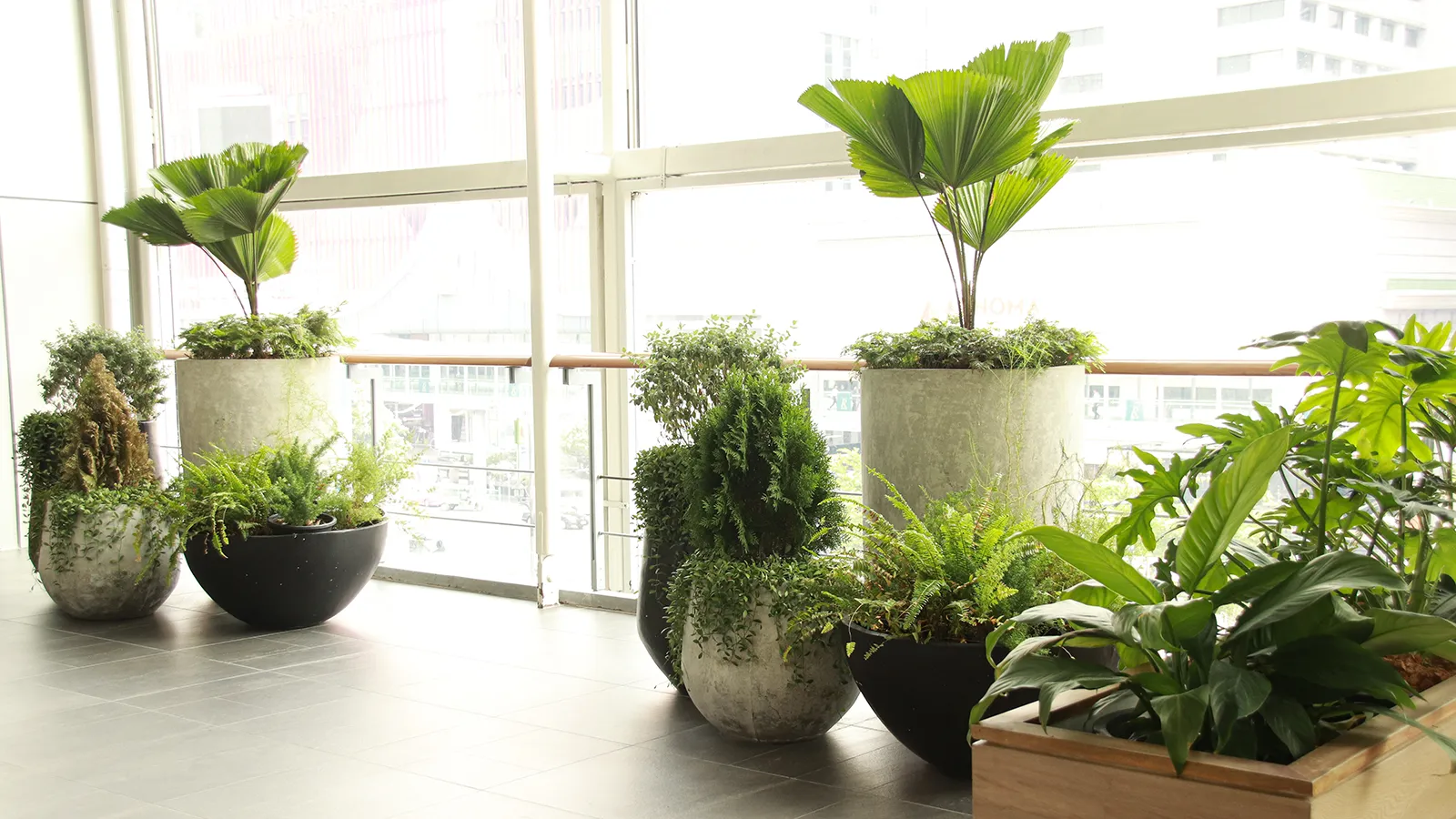
Make the Smart Choice for Your Property’s Biophilic Design
Plant watering is a rigorous, scientific discipline. The health, longevity, and beauty of your interior landscaping are entirely dependent on how effectively water, light, and soil dynamics are managed. For commercial properties aiming to provide world-class, stress-reducing, and air-purifying environments, leaving this delicate balance to chance is simply not an option.
Don’t let improper watering techniques compromise the elegance of your building. Protect your investment, impress your tenants, and ensure your greenery thrives for years to come by trusting the horticultural experts.